FAQWhat the Research Says About Standing Desks and Low Back Pain (2026)
A standing desk can ease low back pain, just not for the reason most people think, and not if you stand all day. What the research shows, and how to use one.

By AJ Prince, HEAS
Healthcare Ergonomic Assessment Specialist. Updated 20 Jun 2026. A 10-minute read.
Desk Doctor earns a commission on some links, at no cost to you. It never changes a score. How we make money
Just about every week, someone sits down across from me, rubs the base of their spine and asks the same thing: "If I get a standing desk, will my back stop hurting?" It's a fair question. Standing desks have been sold for a decade as the cure for the stiff, aching lower back a day in a chair leaves behind.
The honest answer is more interesting than the marketing. A sit-stand desk can ease low back pain for some people, but not for the reason most people assume, and not if you use it the way most people do. Here's the research: the disc studies, the trials, the reviews, and the inconvenient finding that standing all day can cause back pain too.
What sitting does to your lower back, and the disc myth
You've probably heard that sitting puts far more pressure on your spinal discs than standing. That idea traces back to early disc-pressure work, and better measurements have quietly revised it.
In 1999, researchers placed a pressure sensor in a healthy lumbar disc of one volunteer and recorded it through a normal day. Pressure was about 0.1 megapascals lying down and 0.5 standing relaxed. Relaxed sitting without a backrest was slightly lower, 0.46; deliberately upright sitting slightly higher, 0.55; and leaning back or slouching into an armchair lowest of all, 0.27. The authors concluded that pressure during sitting may be less than in erect standing.1 That's one person, but a review of later measurements inside the body points the same way: older studies found higher disc pressure sitting than standing, newer ones no clear difference.2
That reframes the whole question. The problem with a typical desk day isn't the chair itself. It's that the chair makes it effortless to hold one position for eight hours, and a standing desk only helps as far as it gets you moving between positions. That distinction runs through every study below.
What the trials found when people switched
Several studies have run the obvious experiment: give office workers sit-stand desks and measure their back pain over weeks or months. The signal is reasonably consistent, people tend to hurt less, but the studies are small.
In a randomized trial of 46 university employees with chronic low back pain, those given a sit-stand workstation reported significantly less current and worst back pain over three months than colleagues still waiting for theirs. The authors concluded chronic back pain "might be improved" this way; the trial wasn't designed to show why.3 In a four-week study, office workers given a sit-stand device sat about an hour a day less and reported 54% less upper back and neck pain, and most of the gains were gone within two weeks of the device being taken away.4 The benefit lasted only as long as the habit.
A 2019 pilot trial gave 29 office workers prone to back pain when standing a sit-stand desk with advice, half of them with an exercise program too. After four weeks, peak back pain during a two-hour standing test fell about 1.3 points out of 10 in both groups, and sitting at work fell by roughly 80 to 100 minutes a day. With no group lacking a desk, the drop can't be pinned on the desk alone.5
The most recent trial starts to answer the dosing question. It took 56 office workers with low back pain who already had sit-stand desks. A fixed rhythm of 30 minutes sitting, then 15 standing, cut worst pain by about 1.3 points and average pain by about 0.8 over three months, and that group also reported less work stress and better concentration. A personalised schedule, set with a health professional, improved only worst pain, by about 0.7. The changes are modest, there was no group without a desk, and the fixed group stuck to its schedule better.6
1.3 pointsoff worst back pain, out of 10, with a 30-to-15 sit-stand rhythm over three months.6 66 minless sitting a day with a sit-stand device, in a small four-week study.4 What the big reviews conclude
This is where honesty matters more than enthusiasm. Pooled and graded, the evidence says two things: sit-stand desks reliably change behavior, and the certainty around their effect on pain is still low.
A Cochrane review of 34 studies and 3,397 workers found sit-stand desks cut sitting at work by about 100 minutes a day over the first three months, and about 57 minutes at three to twelve months, on low-quality evidence. It looked for harms such as musculoskeletal pain too, but only a few small studies measured them, with conflicting results.7 A second Cochrane review, on musculoskeletal symptoms, rated the evidence low quality and too limited to show that sit-stand desks reduce them.8
A 2019 scoping review of 53 studies concluded that sit-stand desks "effectively change behaviors, but these changes only mildly effect health outcomes," with the clearest effect on discomfort and the least on productivity. Very few studies trained people to use the desks, how long to stand was almost always left to the worker, and the authors say the right dose is unknown and likely varies.9
The bottom line so far
The evidence that a sit-stand desk eases low back pain is positive but not overwhelming. It's strongest when the desk is used to alternate through the day, and weakest when it's a gadget you stand at now and then. The desk is a tool for movement, not a cure on its own.
The catch: standing still brings its own back pain
Here's the part the marketing leaves out, and the reason I push back when someone tells me they've started standing all day. Standing still for long stretches is a well-documented trigger of low back pain, even in people with healthy backs.
In lab studies, prolonged standing brings on temporary low back pain in roughly 40 to 70% of people who had none.10 In one two-hour study, 14 of 32 people developed it, and the ones who didn't had fidgeted and shifted their weight more in the first 15 minutes, before the others' pain set in.11 A review of these studies found low back symptoms reached clinically relevant levels after about 71 minutes of standing, or 42 minutes in people prone to them.12
It isn't just discomfort to shrug off. Over three years, previously pain-free people who had developed back pain in a lab standing test went on to more clinical low back pain, 35% against 23%, and were about three times as likely to have an episode in the first two years.10 Swapping "sit all day" for "stand all day" trades one held position for another, and prolonged standing at work brings leg pain and fatigue as well.13
40–70%of pain-free people develop temporary low back pain from prolonged standing, in lab studies.10 42 minto clinically relevant low back symptoms in people prone to standing pain.12 The practical answer: alternate, don't just stand
Pull the threads together and the rule is clear. A height-adjustable desk can help your lower back, but only as a movement tool. Here's what I tell people:
- Alternate on a schedule, not on a whim. The trial that helped used 30 minutes sitting to 15 standing, on a timer.6
- Cap any standing stretch. Standing pain tends to arrive within an hour or so,12 so sit or walk before you get there.
- Keep moving when you stand. Shift your weight, step in place, change your stance; in the lab, the people who moved more early on stayed pain-free.11
- Stand on something forgiving. An anti-fatigue mat makes the small weight shifts easy.
None of this works if changing height is a chore. In my assessments, the biggest reason a standing desk fails is friction: it's slow, wobbly at standing height, or annoying to adjust, so the person quietly stops alternating, and an unused standing desk is an expensive sitting desk. What matters for your back is a smooth motor, a frame that's steady at full height, and a range that fits your body.
The desks that make alternating easy
Of the 29 standing desks we've scored, these two score highest for exactly this: stability at standing height, smooth adjustment and a range that fits. They're the ones I point people to first.
Best overall
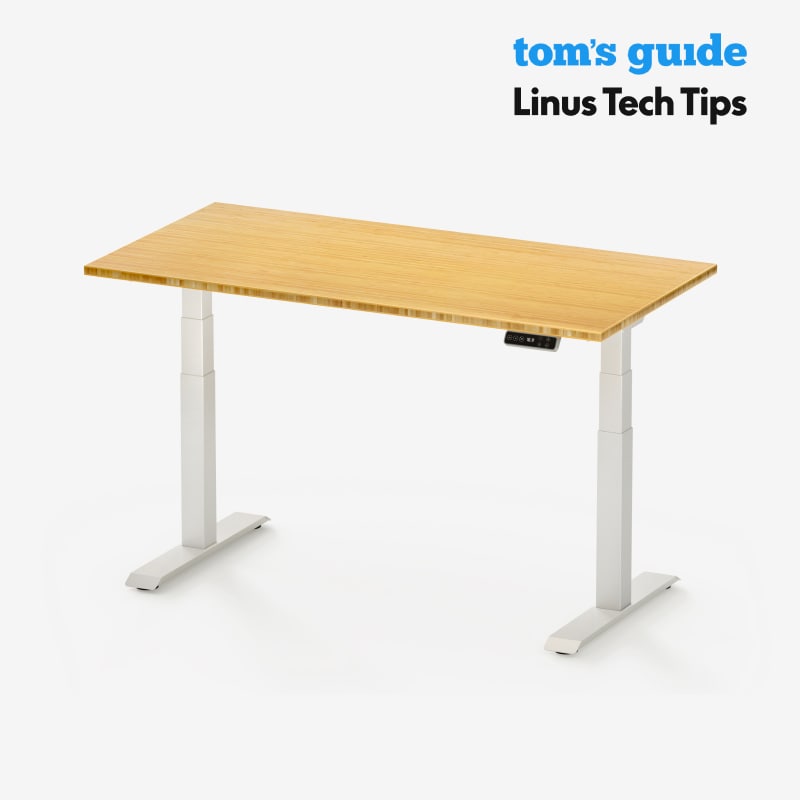
FlexiSpot E7
DEAS 8.3 out of 10
Two legs, dual motors; 22.8 to 48.4 inches without the top; 355-pound static load. 15-year warranty.
The desk I put most people at. Its range covers sitting and standing for nearly everyone from about 5'0" to 6'4", it's steady for a two-leg frame, and it scores a tenth behind the 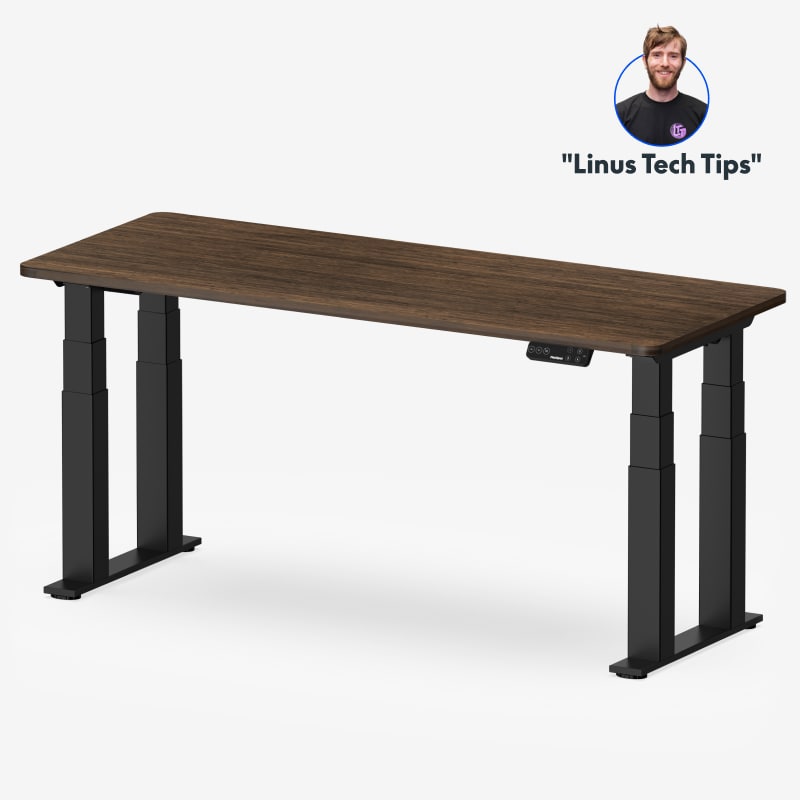 E7 Plus for less money, which makes it the easiest one to commit to using all day.
Good: the widest fit of any desk we've scored; near-top stability; a strong price score; a strong reliability score from user reviews; a 15-year warranty. Less good: a two-leg frame sways a little more at full height than the four-leg E7 Plus; no third-party certification listed.
Score breakdown
Clinical performance8.2
I.1Neutral posture support8.5
I.2Adjustability range8.2
I.3Injury risk reduction8.2
I.4Population accommodation7.8
I.5Height range and stability8.5
Product quality8.2
II.1Material & construction8.0
II.2Published certification6.8
II.3Warranty vs benchmark9.5
II.4Verified user reliability8.5
Market value7.5
III.1Price vs category benchmark7.5
III.2Ergonomic value ratio7.5
Composite 8.3 on the DEAS (Desk Ergonomics Assessment Score). How we score
Best for tall people
FlexiSpot E7 Plus
DEAS 8.4 out of 10
Four 3-stage legs; 26 to 51.6 inches; lifts 440 pounds. Frame, motor and mechanisms covered for 15 years.
Our top-scoring desk and the steadiest frame I've scored: four legs keep it planted at standing height, so switching positions a dozen times a day stays effortless. It reaches 51.6 inches, enough for very tall people to stand at. Its lowest setting, 26 inches, is the catch: at about 5'6" and under, it may not come down far enough for you to sit at.
Good: the top desk score and the top stability score; reaches 51.6 inches; lifts 440 pounds; the top reliability score from user reviews; a 15-year warranty. Less good: its lowest height, 26 inches, is too high for many shorter people to sit at; no third-party certification listed.
Score breakdown
Clinical performance8.7
I.1Neutral posture support8.8
I.2Adjustability range8.7
I.3Injury risk reduction8.7
I.4Population accommodation8.3
I.5Height range and stability9.2
Product quality8.5
II.1Material & construction8.8
II.2Published certification6.8
II.3Warranty vs benchmark9.5
II.4Verified user reliability8.8
Market value7.0
III.1Price vs category benchmark6.5
III.2Ergonomic value ratio7.5
Composite 8.4 on the DEAS (Desk Ergonomics Assessment Score). How we score
#ProductDEAS
1 FlexiSpot E7 Plus Best for tall people 8.4 DEAS
Clinical performance8.7
I.1Neutral posture support8.8
I.2Adjustability range8.7
I.3Injury risk reduction8.7
I.4Population accommodation8.3
I.5Height range and stability9.2
Product quality8.5
II.1Material & construction8.8
II.2Published certification6.8
II.3Warranty vs benchmark9.5
II.4Verified user reliability8.8
Market value7.0
III.1Price vs category benchmark6.5
III.2Ergonomic value ratio7.5
2 FlexiSpot E7 Standing Desk Best overall 8.3 DEAS
Clinical performance8.2
I.1Neutral posture support8.5
I.2Adjustability range8.2
I.3Injury risk reduction8.2
I.4Population accommodation7.8
I.5Height range and stability8.5
Product quality8.2
II.1Material & construction8.0
II.2Published certification6.8
II.3Warranty vs benchmark9.5
II.4Verified user reliability8.5
Market value7.5
III.1Price vs category benchmark7.5
III.2Ergonomic value ratio7.5
3 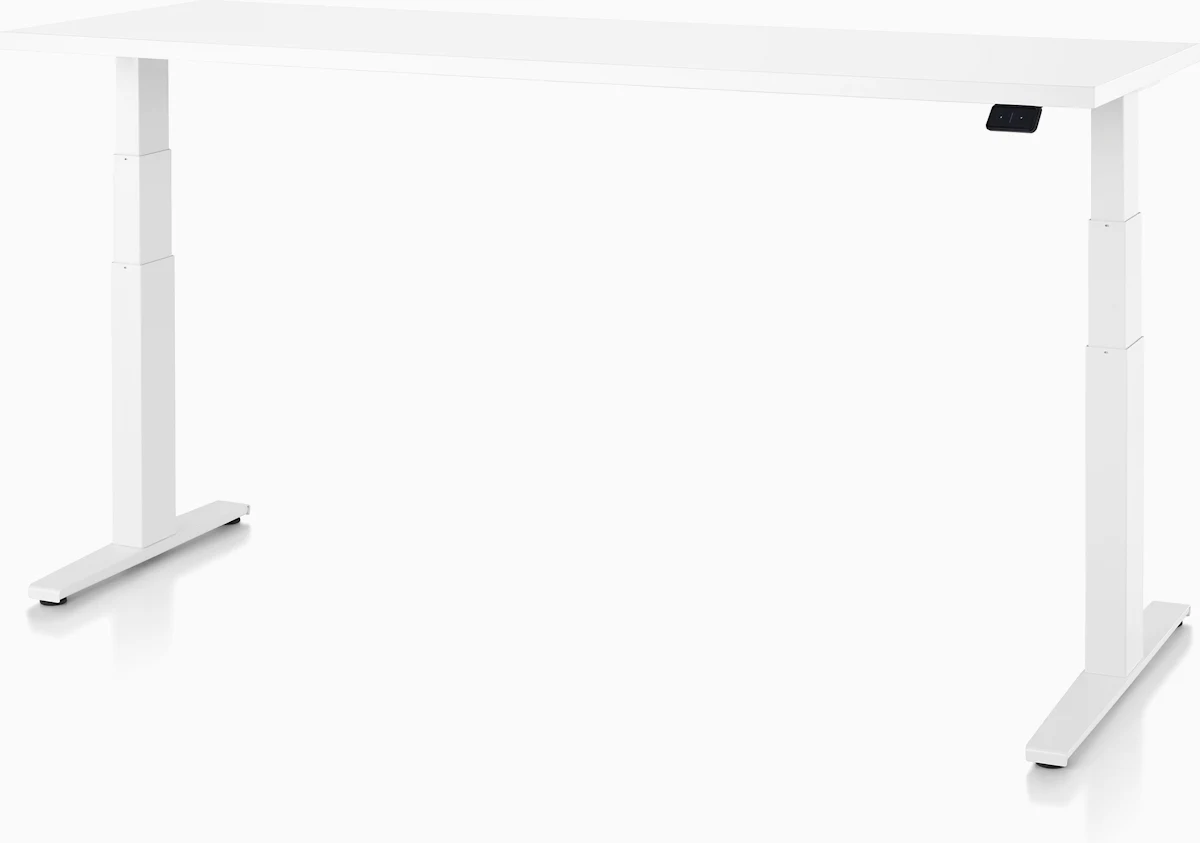 Herman Miller Motia Sit-to-Stand Desk Best build quality 7.8 DEAS
Clinical performance8.0
I.1Neutral posture support8.4
I.2Adjustability range7.8
I.3Injury risk reduction8.0
I.4Population accommodation7.4
I.5Height range and stability8.2
Product quality8.9
II.1Material & construction9.2
II.2Published certification8.5
II.3Warranty vs benchmark9.0
Market value1.5
III.1Price vs category benchmark1.0
III.2Ergonomic value ratio2.0
4  Desky Dual Laminate Standing Desk Strong all-rounder 7.7 DEAS
Clinical performance8.0
I.1Neutral posture support8.3
I.2Adjustability range8.0
I.3Injury risk reduction8.0
I.4Population accommodation7.5
I.5Height range and stability8.3
Product quality7.7
II.1Material & construction8.2
II.2Published certification6.0
II.3Warranty vs benchmark8.0
II.4Verified user reliability8.5
Market value4.7
III.1Price vs category benchmark4.5
III.2Ergonomic value ratio4.8
5 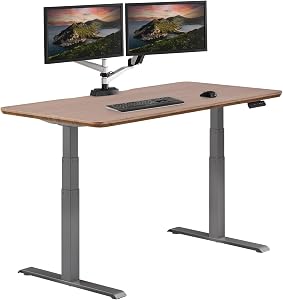 Vari Electric Standing Desk Quickest to set up 7.3 DEAS
Clinical performance8.4
I.1Neutral posture support8.6
I.2Adjustability range8.4
I.3Injury risk reduction8.4
I.4Population accommodation7.6
I.5Height range and stability8.8
Product quality7.5
II.1Material & construction8.2
II.2Published certification7.0
II.3Warranty vs benchmark7.0
II.4Verified user reliability8.0
Market value3.2
III.1Price vs category benchmark3.0
III.2Ergonomic value ratio3.5
6  Vernal Core3 Standing Desk Best mid-price desk 7.1 DEAS
Clinical performance7.5
I.1Neutral posture support7.9
I.2Adjustability range7.5
I.3Injury risk reduction7.5
I.4Population accommodation6.9
I.5Height range and stability7.8
Product quality6.9
II.1Material & construction7.2
II.2Published certification5.5
II.3Warranty vs benchmark7.0
II.4Verified user reliability8.0
Market value5.7
III.1Price vs category benchmark5.5
III.2Ergonomic value ratio5.8
7  Branch Duo Standing Desk Best for small spaces 7.0 DEAS
Clinical performance7.4
I.1Neutral posture support7.8
I.2Adjustability range7.4
I.3Injury risk reduction7.4
I.4Population accommodation6.9
I.5Height range and stability7.3
Product quality7.1
II.1Material & construction7.0
II.2Published certification5.5
II.3Warranty vs benchmark8.0
II.4Verified user reliability8.0
Market value4.4
III.1Price vs category benchmark4.2
III.2Ergonomic value ratio4.6
Show all 29
8  Vari Essential Standing Desk 6.9 DEAS
Clinical performance7.2
I.1Neutral posture support7.4
I.2Adjustability range7.3
I.3Injury risk reduction7.0
I.4Population accommodation6.9
I.5Height range and stability7.3
Product quality6.8
II.1Material & construction6.5
II.2Published certification5.5
II.3Warranty vs benchmark7.0
II.4Verified user reliability8.0
Market value6.2
III.1Price vs category benchmark6.2
III.2Ergonomic value ratio6.2
9 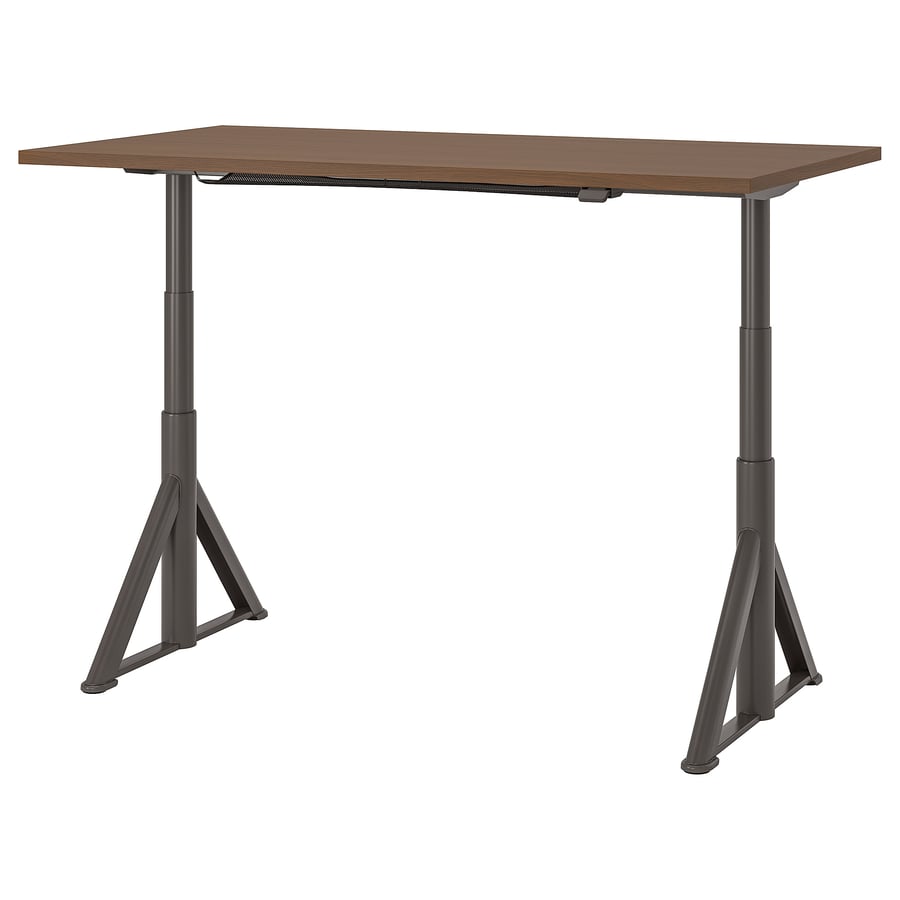 IKEA IDÅSEN Standing Desk 6.8 DEAS
Clinical performance7.3
I.1Neutral posture support7.7
I.2Adjustability range7.4
I.3Injury risk reduction7.4
I.4Population accommodation6.5
I.5Height range and stability7.4
Product quality6.9
II.1Material & construction7.2
II.2Published certification5.5
II.3Warranty vs benchmark8.0
II.4Verified user reliability7.0
Market value4.0
III.1Price vs category benchmark3.5
III.2Ergonomic value ratio4.5
10  WorkPro Electric Standing Desk 6.8 DEAS
Clinical performance7.3
I.1Neutral posture support7.4
I.2Adjustability range7.4
I.3Injury risk reduction7.4
I.4Population accommodation6.9
I.5Height range and stability7.4
Product quality6.8
II.1Material & construction7.0
II.2Published certification5.5
II.3Warranty vs benchmark7.0
II.4Verified user reliability7.5
Market value4.2
III.1Price vs category benchmark4.0
III.2Ergonomic value ratio4.5
11 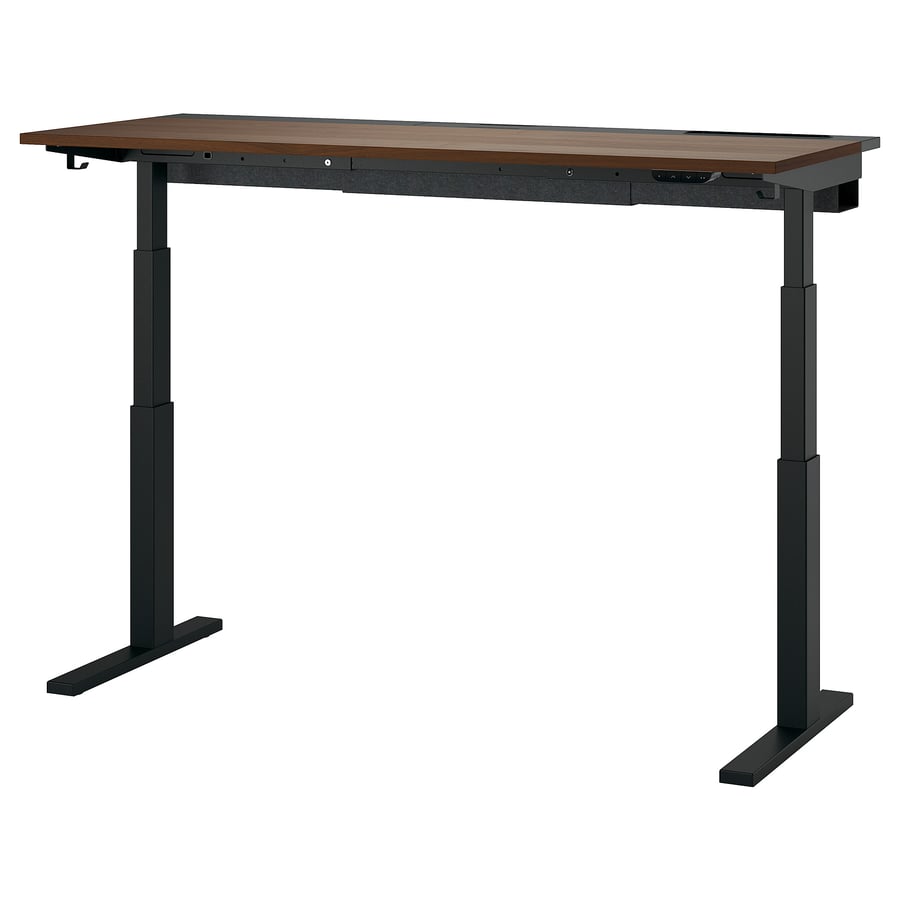 IKEA MITTZON Standing Desk 6.7 DEAS
Clinical performance6.9
I.1Neutral posture support7.3
I.2Adjustability range7.0
I.3Injury risk reduction7.0
I.4Population accommodation6.4
I.5Height range and stability7.0
Product quality6.8
II.1Material & construction6.7
II.2Published certification5.5
II.3Warranty vs benchmark8.0
II.4Verified user reliability7.0
Market value5.2
III.1Price vs category benchmark5.0
III.2Ergonomic value ratio5.5
12  Vernal Executive Standing Desk 6.7 DEAS
Clinical performance7.3
I.1Neutral posture support7.6
I.2Adjustability range7.3
I.3Injury risk reduction7.3
I.4Population accommodation6.9
I.5Height range and stability7.6
Product quality6.6
II.1Material & construction7.4
II.2Published certification5.5
II.3Warranty vs benchmark7.0
II.4Verified user reliability6.5
Market value2.4
III.1Price vs category benchmark2.0
III.2Ergonomic value ratio2.8
13  FlexiSpot E2 Standing Desk 6.7 DEAS
Clinical performance6.3
I.1Neutral posture support6.6
I.2Adjustability range6.5
I.3Injury risk reduction6.2
I.4Population accommodation6.0
I.5Height range and stability6.2
Product quality6.7
II.1Material & construction6.2
II.2Published certification5.5
II.3Warranty vs benchmark7.0
II.4Verified user reliability8.0
Market value8.0
III.1Price vs category benchmark8.5
III.2Ergonomic value ratio7.5
14  FlexiSpot E8 Standing Desk 6.6 DEAS
Clinical performance6.5
I.1Neutral posture support6.9
I.2Adjustability range6.6
I.3Injury risk reduction6.4
I.4Population accommodation6.4
I.5Height range and stability6.4
Product quality6.6
II.1Material & construction6.3
II.2Published certification5.5
II.3Warranty vs benchmark7.0
II.4Verified user reliability7.5
Market value6.8
III.1Price vs category benchmark7.0
III.2Ergonomic value ratio6.5
15  Realspace Magellan Pneumatic Desk 6.5 DEAS
Clinical performance6.4
I.1Neutral posture support6.8
I.2Adjustability range6.4
I.3Injury risk reduction6.4
I.4Population accommodation6.4
I.5Height range and stability6.0
Product quality6.8
II.1Material & construction6.5
II.2Published certification5.5
II.3Warranty vs benchmark7.5
II.4Verified user reliability7.5
Market value5.5
III.1Price vs category benchmark5.5
III.2Ergonomic value ratio5.5
16  Staples Electric Standing Desk 6.5 DEAS
Clinical performance6.3
I.1Neutral posture support6.5
I.2Adjustability range6.5
I.3Injury risk reduction6.2
I.4Population accommodation6.0
I.5Height range and stability6.2
Product quality6.2
II.1Material & construction6.1
II.2Published certification5.5
II.3Warranty vs benchmark6.0
II.4Verified user reliability7.0
Market value8.0
III.1Price vs category benchmark8.5
III.2Ergonomic value ratio7.5
17  Eureka Wing Shape Desk 6.4 DEAS
Clinical performance6.3
I.1Neutral posture support6.8
I.2Adjustability range6.4
I.3Injury risk reduction6.4
I.4Population accommodation6.0
I.5Height range and stability6.0
Product quality6.0
II.1Material & construction6.4
II.2Published certification5.5
II.3Warranty vs benchmark6.0
II.4Verified user reliability6.0
Market value4.5
III.1Price vs category benchmark4.5
III.2Ergonomic value ratio4.5
18 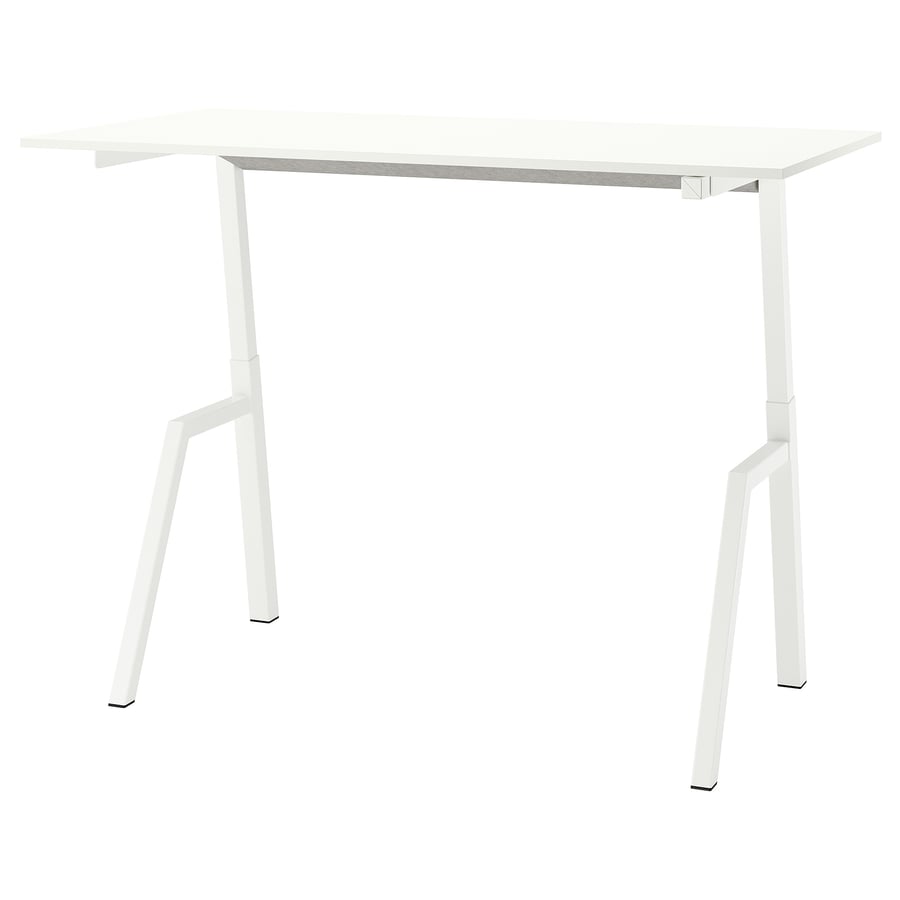 IKEA TROTTEN Manual Desk 6.3 DEAS
Clinical performance6.0
I.1Neutral posture support6.4
I.2Adjustability range6.0
I.3Injury risk reduction6.0
I.4Population accommodation6.0
I.5Height range and stability5.6
Product quality6.8
II.1Material & construction6.4
II.2Published certification5.5
II.3Warranty vs benchmark8.0
II.4Verified user reliability7.5
Market value6.5
III.1Price vs category benchmark6.5
III.2Ergonomic value ratio6.5
19  Vivo Electric Standing Desk 6.3 DEAS
Clinical performance6.2
I.1Neutral posture support6.4
I.2Adjustability range6.4
I.3Injury risk reduction6.0
I.4Population accommodation6.0
I.5Height range and stability6.0
Product quality6.0
II.1Material & construction6.0
II.2Published certification5.5
II.3Warranty vs benchmark6.0
II.4Verified user reliability6.5
Market value6.2
III.1Price vs category benchmark6.5
III.2Ergonomic value ratio6.0
20  Eureka Ark Lite Standing Desk 6.2 DEAS
Clinical performance6.5
I.1Neutral posture support6.8
I.2Adjustability range6.4
I.3Injury risk reduction6.4
I.4Population accommodation6.4
I.5Height range and stability6.4
Product quality6.2
II.1Material & construction6.2
II.2Published certification5.5
II.3Warranty vs benchmark7.0
Market value4.0
III.1Price vs category benchmark4.0
III.2Ergonomic value ratio4.0
21  Inbox Zero Standing Desk 6.2 DEAS
Clinical performance6.5
I.1Neutral posture support6.8
I.2Adjustability range6.4
I.3Injury risk reduction6.4
I.4Population accommodation6.4
I.5Height range and stability6.4
Product quality5.4
II.1Material & construction6.2
II.2Published certification5.5
II.3Warranty vs benchmark4.0
II.4Verified user reliability6.0
Market value4.5
III.1Price vs category benchmark4.5
III.2Ergonomic value ratio4.5
22  Eureka Executive Standing Desk 6.1 DEAS
Clinical performance6.7
I.1Neutral posture support7.2
I.2Adjustability range7.0
I.3Injury risk reduction7.0
I.4Population accommodation6.5
I.5Height range and stability6.0
Product quality6.6
II.1Material & construction7.2
II.2Published certification5.5
II.3Warranty vs benchmark7.0
Market value1.2
III.1Price vs category benchmark1.0
III.2Ergonomic value ratio1.5
23 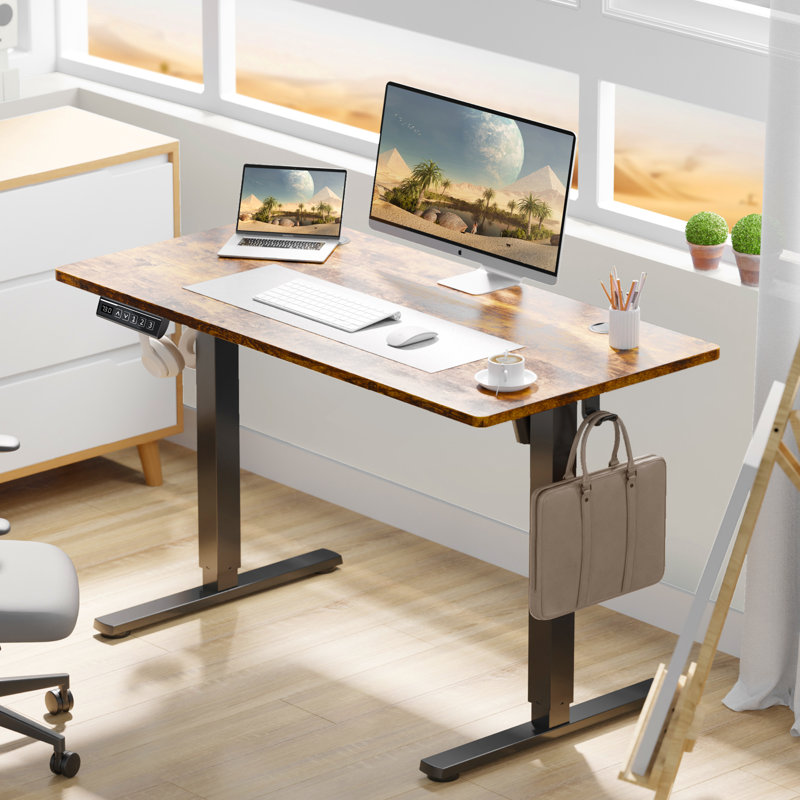 Inbox Zero Koree Standing Desk 6.0 DEAS
Clinical performance5.6
I.1Neutral posture support5.6
I.2Adjustability range5.6
I.3Injury risk reduction5.6
I.4Population accommodation5.6
I.5Height range and stability5.6
Product quality5.5
II.1Material & construction5.6
II.2Published certification5.5
II.3Warranty vs benchmark4.0
II.4Verified user reliability7.0
Market value8.5
III.1Price vs category benchmark9.0
III.2Ergonomic value ratio8.0
24 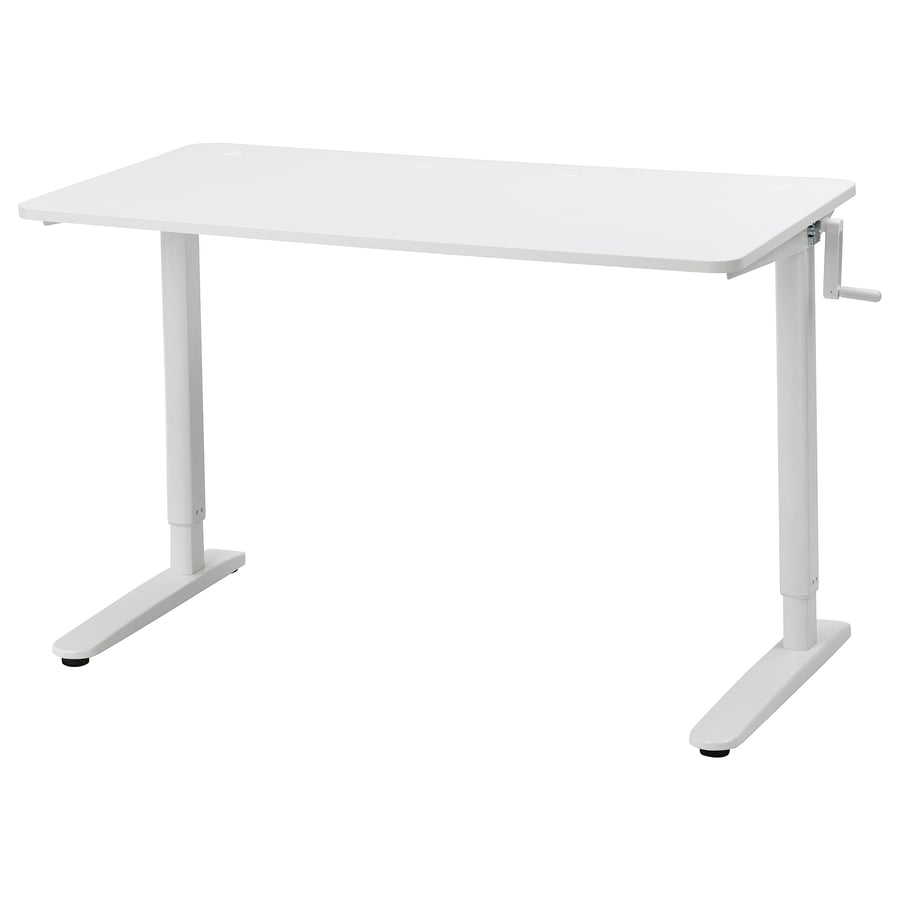 IKEA RELATERA Standing Desk 6.0 DEAS
Clinical performance5.4
I.1Neutral posture support5.9
I.2Adjustability range5.4
I.3Injury risk reduction5.4
I.4Population accommodation5.4
I.5Height range and stability5.0
Product quality6.5
II.1Material & construction6.0
II.2Published certification5.5
II.3Warranty vs benchmark8.0
Market value7.5
III.1Price vs category benchmark8.0
III.2Ergonomic value ratio7.0
25  HULALA Home Standing Desk 5.9 DEAS
Clinical performance6.0
I.1Neutral posture support6.5
I.2Adjustability range6.0
I.3Injury risk reduction6.0
I.4Population accommodation6.0
I.5Height range and stability5.5
Product quality5.3
II.1Material & construction6.5
II.2Published certification5.5
II.3Warranty vs benchmark4.0
Market value1.8
III.1Price vs category benchmark1.5
III.2Ergonomic value ratio2.0
26 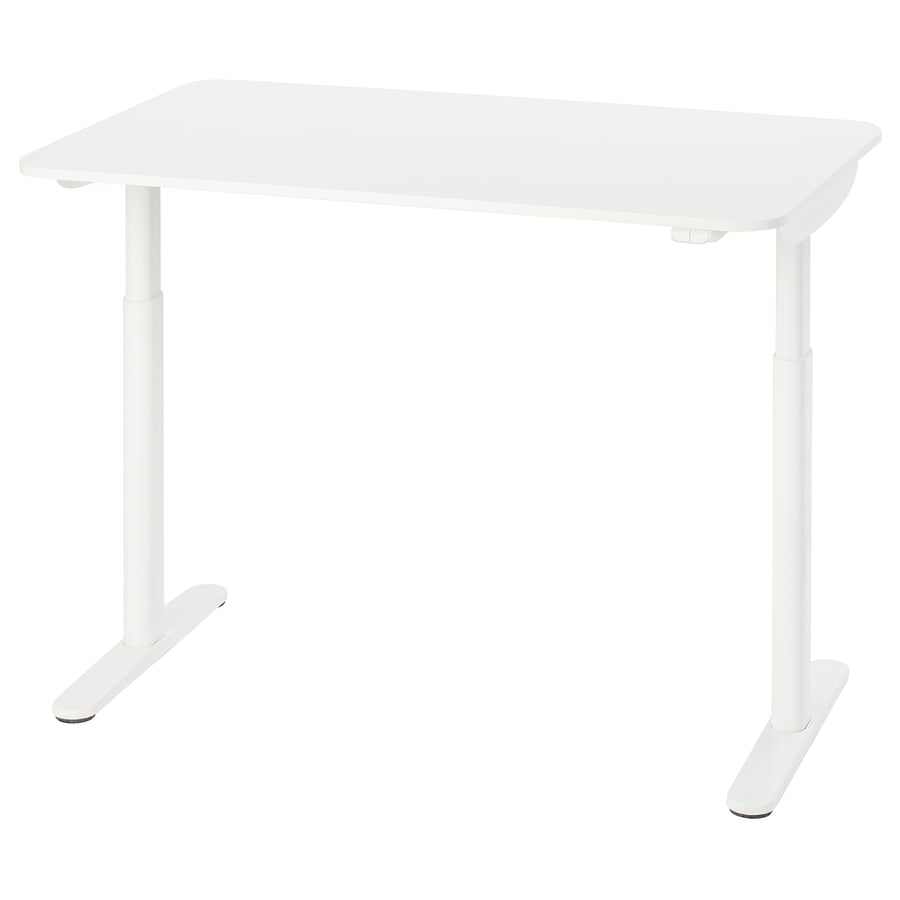 IKEA BOLLSIDAN Standing Desk 5.8 DEAS
Clinical performance5.6
I.1Neutral posture support6.0
I.2Adjustability range5.5
I.3Injury risk reduction5.5
I.4Population accommodation5.5
I.5Height range and stability5.5
Product quality6.3
II.1Material & construction5.5
II.2Published certification5.5
II.3Warranty vs benchmark8.0
Market value5.8
III.1Price vs category benchmark6.0
III.2Ergonomic value ratio5.5
27  Bestier 58 Standing Desk 5.7 DEAS
Clinical performance5.6
I.1Neutral posture support6.0
I.2Adjustability range5.5
I.3Injury risk reduction5.5
I.4Population accommodation5.5
I.5Height range and stability5.5
Product quality4.8
II.1Material & construction5.0
II.2Published certification5.5
II.3Warranty vs benchmark4.0
Market value6.8
III.1Price vs category benchmark7.0
III.2Ergonomic value ratio6.5
28  HULALA Rotating Desk 5.5 DEAS
Clinical performance5.2
I.1Neutral posture support5.5
I.2Adjustability range5.5
I.3Injury risk reduction5.0
I.4Population accommodation5.5
I.5Height range and stability4.5
Product quality5.2
II.1Material & construction6.0
II.2Published certification5.5
II.3Warranty vs benchmark4.0
Market value1.2
III.1Price vs category benchmark1.0
III.2Ergonomic value ratio1.5
29  Bestier L Shaped Standing Desk 5.4 DEAS
Clinical performance5.3
I.1Neutral posture support5.5
I.2Adjustability range5.5
I.3Injury risk reduction5.0
I.4Population accommodation5.5
I.5Height range and stability5.0
Product quality4.8
II.1Material & construction5.0
II.2Published certification5.5
II.3Warranty vs benchmark4.0
Market value5.8
III.1Price vs category benchmark6.0
III.2Ergonomic value ratio5.5
The full reviews are in the standing desk guide.
How to set up a standing desk so it helps your back
- 1
Set your sitting height first. Upper arms at your sides, elbows bent 90 to 120 degrees, forearms level with the desk, feet flat.14
- 2
Set your standing height separately. The same elbow angle when you're up. Most people set it too low and hunch. Save both as presets.
- 3
Raise the screen. Top edge level with your eyes in both positions; a monitor arm lets it move with you.
- 4
Put a mat where you stand. So you shift your weight instead of locking your knees.
- 5
Set a timer. About 30 minutes sitting to 15 standing.6 The reminder is what turns it into a habit.
- 6
Sit or walk before a standing stretch starts to ache. Don't push through it.
- 7
Take a real walk every hour or two. The desk cuts down still time; it doesn't replace movement.
The point of the setup
A standing desk is a tool for changing position. Set it up so changing is effortless, and the back benefit follows.
Desk-related back pain at a glance
The slumped-sitting ache
Feels like
A dull, deep ache low in the back that builds over a still afternoon and eases when you stand or walk.
What helps
Break up sitting with standing stretches, use the lumbar support, and keep a timed sit-stand rhythm.
Standing-induced low back pain
Feels like
Tightness or ache that shows up within an hour or two of standing and fades once you sit.
What helps
Shorter standing stretches, an anti-fatigue mat, weight shifts, and sitting down before it builds.
Stiffness that loosens with movement
Feels like
A stiff lower back that eases once you get up and move around.
What helps
More position changes through the day, walking breaks, and general activity.
When to get it checked
Back pain that is severe, persistent or follows an injury, or that comes with leg weakness, numbness, or changes in bladder or bowel control, needs a clinician. A standing desk is not a treatment.
Common questions
Do standing desks really help with lower back pain?
The research is cautiously positive. In a small randomized trial, people with chronic low back pain reported less current and worst pain after getting a sit-stand workstation,3 and a 30-to-15 sitting and standing rhythm eased pain modestly in another.6 Reviews rate the overall certainty as low.7,8 The benefit depends on using the desk to alternate.
Is it bad to stand at a desk all day?
Yes. In lab studies, roughly 40 to 70% of pain-free people develop temporary low back pain from prolonged standing, and in one follow-up, those people had more clinical back pain over the next three years.10 Alternate instead.
What's the best sit-to-stand ratio for back pain?
A 2025 trial found 30 minutes sitting to 15 standing eased worst and average back pain over three months, more than a personalised schedule.6 Start there, and don't let any standing stretch run long enough to ache.
Does sitting really put more pressure on your spine than standing?
Not as much as the old figure suggests. Measurements inside a living disc found relaxed sitting slightly below relaxed standing, and leaning back lowered it further,1 and later studies found no clear difference overall.2 The bigger issue is holding any one position for hours.
Which standing desk is best for back pain, and how many did you score?
The one that makes switching effortless: steady at standing height, quick to adjust, with a range that fits you. Of the 29 we've scored, the FlexiSpot E7 (DEAS 8.3) is the one I put most people at, and the FlexiSpot E7 Plus (8.4) suits tall people. The full ranking is in the standing desk guide.
How long before a standing desk helps my back?
In the trials, changes showed up over weeks of consistent use, and in one study most of the gains were gone within two weeks of going back to all-day sitting.4 Give it a few weeks of alternating. If nothing changes, the desk may not be the main driver of your pain.
References
- Wilke HJ, Neef P, Caimi M, Hoogland T, Claes LE. New in vivo measurements of pressures in the intervertebral disc in daily life. Spine. 1999;24(8):755–762. PMID: 10222525. doi:10.1097/00007632-199904150-00005
- Li JQ, Kwong WH, Chan YL, Kawabata M. Comparison of in vivo intradiscal pressure between sitting and standing in human lumbar spine: a systematic review and meta-analysis. Life. 2022;12(3):457. doi:10.3390/life12030457
- Ognibene GT, Torres W, von Eyben R, Horst KC. Impact of a sit-stand workstation on chronic low back pain: results of a randomized trial. J Occup Environ Med. 2016;58(3):287–293. PMID: 26735316. doi:10.1097/JOM.0000000000000615
- Pronk NP, Katz AS, Lowry M, Payfer JR. Reducing occupational sitting time and improving worker health: the Take-a-Stand Project, 2011. Prev Chronic Dis. 2012;9:110323. doi:10.5888/pcd9.110323
- Johnston V, Gane EM, Brown W, Vicenzino B, Healy GN, Gilson N, Smith MD. Feasibility and impact of sit-stand workstations with and without exercise in office workers at risk of low back pain: a pilot comparative effectiveness trial. Appl Ergon. 2019;76:82–89. PMID: 30642528. doi:10.1016/j.apergo.2018.12.006
- Brakenridge CL, Johnston V, Andrews NE, Gomersall SR, Russell T, Smith MD. Do fixed or personalised sit-stand desk ratios improve lower back pain? A randomised trial. Appl Ergon. 2026;131:104670 (online 2025). PMID: 41124790. doi:10.1016/j.apergo.2025.104670
- Shrestha N, Kukkonen-Harjula KT, Verbeek JH, Ijaz S, Hermans V, Pedisic Z. Workplace interventions for reducing sitting at work. Cochrane Database Syst Rev. 2018;12:CD010912. doi:10.1002/14651858.CD010912.pub5
- Parry SP, Coenen P, Shrestha N, O'Sullivan PB, Maher CG, Straker LM. Workplace interventions for increasing standing or walking for decreasing musculoskeletal symptoms in sedentary workers. Cochrane Database Syst Rev. 2019;(11):CD012487. doi:10.1002/14651858.CD012487.pub2
- Chambers AJ, Robertson MM, Baker NA. The effect of sit-stand desks on office worker behavioral and health outcomes: a scoping review. Appl Ergon. 2019;78:37–53. PMID: 31046958. doi:10.1016/j.apergo.2019.01.015
- Nelson-Wong E, Callaghan JP. Transient low back pain development during standing predicts future clinical low back pain in previously asymptomatic individuals. Spine. 2014;39(6):E379–E383. PMID: 24384659. doi:10.1097/BRS.0000000000000191
- Gallagher KM, Callaghan JP. Early static standing is associated with prolonged standing induced low back pain. Hum Mov Sci. 2015;44:111–121. PMID: 26340276. doi:10.1016/j.humov.2015.08.019
- Coenen P, Parry S, Willenberg L, et al. Associations of prolonged standing with musculoskeletal symptoms: a systematic review of laboratory studies. Gait Posture. 2017;58:310–318. PMID: 28863296. doi:10.1016/j.gaitpost.2017.08.024
- Waters TR, Dick RB. Evidence of health risks associated with prolonged standing at work and intervention effectiveness. Rehabil Nurs. 2015;40(3):148–165. PMID: 25041875. doi:10.1002/rnj.166
- OSHA. Computer Workstations eTool: neutral working postures. osha.gov
This article is general education, not medical advice. A standing desk is not a treatment for any medical condition; persistent or severe low back pain needs a licensed clinician.
AJ Prince, HEAS
Healthcare Ergonomic Assessment Specialist. Conducts over a thousand workstation assessments a year across a multi-campus health system, and authored the DEAS standard used to rank every product on this site.
