FAQWhat the Research Says About Standing Desks and Productivity (2026)
Standing doesn't make you type faster, and it doesn't slow you down. Where the research leans positive is how people feel while they work.

By AJ Prince, HEAS
Healthcare Ergonomic Assessment Specialist. Updated 20 Jun 2026. A 8-minute read.
Desk Doctor earns a commission on some links, at no cost to you. It never changes a score. How we make money
The question I get right after "will it help my back" is the one your boss cares about: "Will a standing desk make me more productive?" The internet is full of confident claims both ways. Standing supercharges your focus, or it wrecks your concentration and slows your typing.
The research is calmer than either camp. Its most repeated finding is reassuringly boring: standing doesn't meaningfully change how much work you get done. It doesn't hurt your output, and it doesn't multiply it. Where the evidence leans positive, it's mostly in how people feel while they work. Here's the full picture.
The productivity claim, and what's really being asked
"Productivity" hides two different questions, and mixing them up is why the standing-desk debate feels so contradictory.
The first is output: in a given hour, do you type faster, make fewer errors or finish more tasks standing than sitting? The second is staying power: across a full day and week, do you feel more focused, less drained and more engaged, so your work holds up? Typing studies answer the first. Studies of self-rated performance, mood and energy answer the second. They don't always agree, and that's the whole story.
Keep that split in mind. The honest summary: output stays about the same, and how you feel while producing it tends to improve.
Does standing change your actual output?
When researchers measure raw performance, the answer is consistent: standing neither reliably helps nor reliably hurts.
A 2014 review of 14 studies asked whether sit-stand desks reduce discomfort without costing productivity. Six of the seven studies that measured discomfort found it lower. Of the eight that measured productivity, three found a gain, four no change and one mixed results, and none found a loss. The authors concluded sit-stand workstations don't cause a drop in productivity.1
A 2019 scoping review of the sit-stand research found that only about 7% of work-performance results changed significantly, and the authors called for more research on long-term effects and on the right amount of standing.2 The 2018 Cochrane review found just three small, non-randomized studies, 109 people in all, that measured self-rated work performance, and it didn't change meaningfully.3
If precise mousing or fast typing feels awkward standing at first, do that work seated until it doesn't. Alternating is the point anyway.
0 of 8productivity studies in a 2014 review found a loss with sit-stand desks.1 7%of work-performance results changed significantly in a 2019 scoping review.2 Focus, energy and how people feel they work
This is where the evidence leans positive: not in raw output, but in how working feels, which over a week is what most people mean by productive.
In a 2021 study at one Japanese company, one department got sit-stand desks for three months and another served as the comparison, 74 workers in all. The desk group reported less neck and shoulder pain, better self-rated health, a higher rating of their own job performance and more vigor at work. Other measures of engagement didn't change, and all of these were self-reports, not measured output.4
A 2025 randomized trial gave 56 office workers with low back pain one of two sit-stand schedules for three months. Over three months, the group on a fixed rhythm of 30 minutes sitting to 15 standing reported less back pain, and its scores for job stress, concentration and presenteeism, the drain of being at your desk without fully working, improved within the group. Those on a personalised schedule, set with a health professional, mostly sat less. There was no group without a desk.5
In the Take-a-Stand project, 24 office workers had sit-stand devices for four weeks. They sat about 66 minutes less a day, reported 54% less upper back and neck pain and had better mood scores than a comparison group of 10, and most of those gains faded within two weeks of the devices being removed. The project had support from the sit-stand maker that supplied the devices.6
The throughline
The productivity benefit of a standing desk is mostly indirect. You don't produce more per hour; you feel better, hurt less and lose less of the day to discomfort and fatigue. These findings are encouraging but limited: small, short studies, mostly self-reported.
What the research concludes about productivity
Pulled together, the picture is unusually consistent for this field.
Well supported: sit-stand desks don't reduce productivity. That shows up in the dedicated review, in the scoping review's near-absence of significant performance changes and in the Cochrane review.1,2,3 If you've been told a standing desk will slow you down, the evidence says otherwise.
Promising but softer: self-rated performance, concentration, mood and energy tend to improve.4,5,6 They come from one small randomized trial, a comparison of two departments and a small non-randomized project, so treat them as encouraging, not proven.
The bottom line
A standing desk isn't a productivity hack that makes you type faster. Its honest value is that it lets you stay comfortable and energized through a long day at no cost to your output, and for most people, comfort and energy are the productivity lever. Like everything with these desks, it depends on actually alternating.
How to set up for productivity
If the goal is to work better, not to stand for its own sake, the rules follow from the evidence. The wins come from staying comfortable and alternating, not from maximizing standing time.
- Alternate on a schedule. The fixed rhythm in the 2025 trial was 30 minutes sitting to 15 standing, about 2 to 1.5 A timer turns it into a habit.
- Sit for your most precise work at first. If fine mousing or fast typing feels awkward standing, do it seated until standing feels natural.
- Use standing to break up the long stretches, like the mid-afternoon dip.
- Match your screen in both positions: top edge level with your eyes, sitting and standing, so you don't hunch.
Here's the part that decides whether any of this happens. In my assessments, the biggest reason a standing desk stops getting used is friction: it's slow, wobbly at standing height or annoying to adjust, so people quietly stop alternating, and a desk you never move is just an expensive regular desk. What matters is a desk that changes height quickly, stays steady when raised and fits your body.
The desks that make alternating easy
Of the 29 standing desks we've scored, these two score highest for exactly this: stability at standing height, smooth adjustment and a range that fits. They're the ones I point people to first.
Best overall
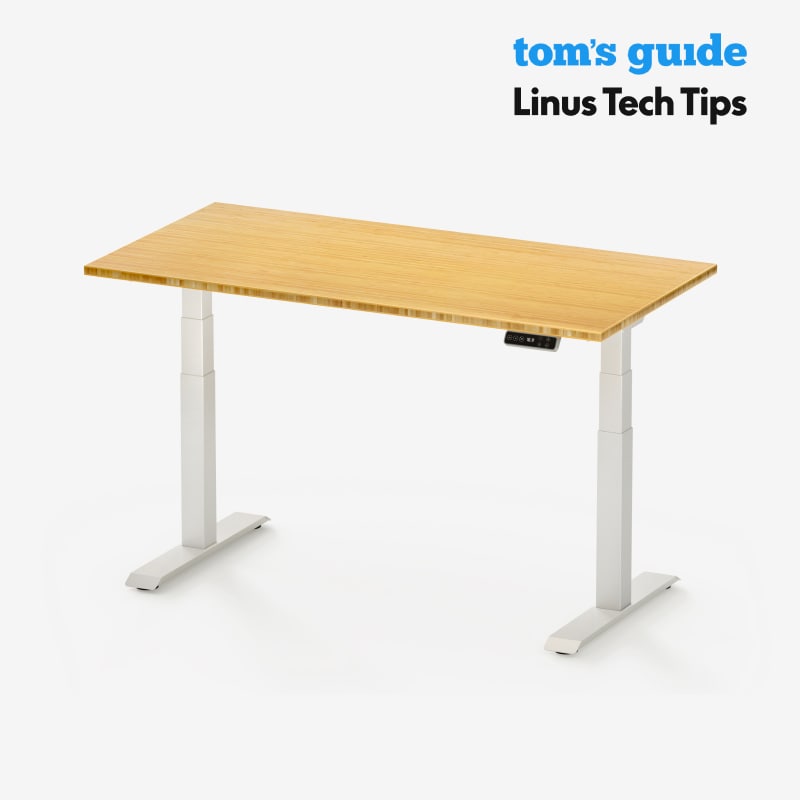
FlexiSpot E7
DEAS 8.3 out of 10
Two legs, dual motors; 22.8 to 48.4 inches without the top; 355-pound static load. 15-year warranty.
The desk I put most people at. Its range covers sitting and standing for nearly everyone from about 5'0" to 6'4", it's steady for a two-leg frame, and it scores a tenth behind the 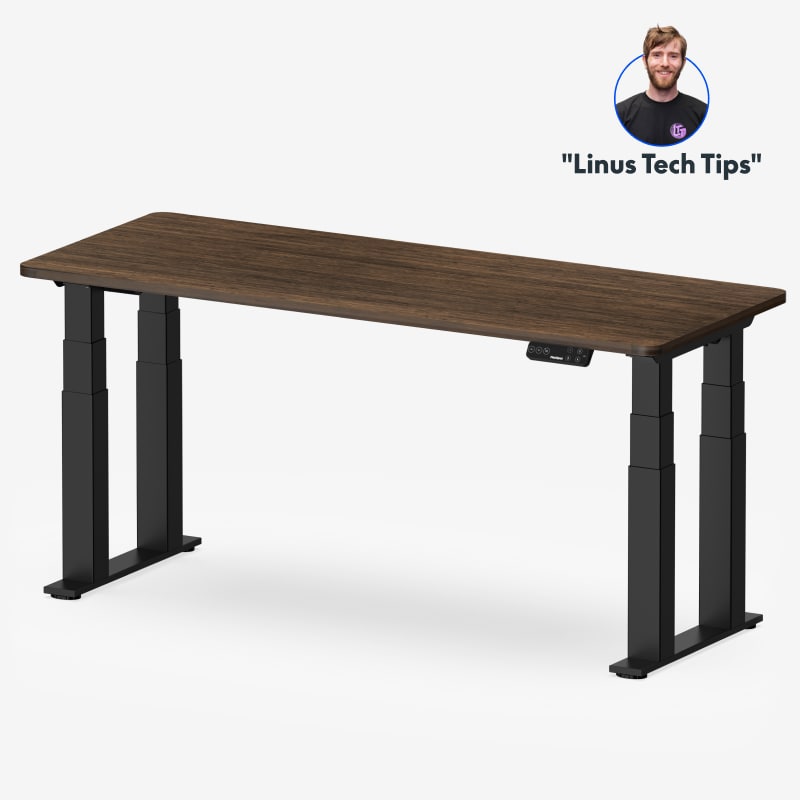 E7 Plus for less money, which makes it the easiest one to commit to using all day.
Good: the widest fit of any desk we've scored; near-top stability; a strong price score; a strong reliability score from user reviews; a 15-year warranty. Less good: a two-leg frame sways a little more at full height than the four-leg E7 Plus; no third-party certification listed.
Score breakdown
Clinical performance8.2
I.1Neutral posture support8.5
I.2Adjustability range8.2
I.3Injury risk reduction8.2
I.4Population accommodation7.8
I.5Height range and stability8.5
Product quality8.2
II.1Material & construction8.0
II.2Published certification6.8
II.3Warranty vs benchmark9.5
II.4Verified user reliability8.5
Market value7.5
III.1Price vs category benchmark7.5
III.2Ergonomic value ratio7.5
Composite 8.3 on the DEAS (Desk Ergonomics Assessment Score). How we score
Best for tall people
FlexiSpot E7 Plus
DEAS 8.4 out of 10
Four 3-stage legs; 26 to 51.6 inches; lifts 440 pounds. Frame, motor and mechanisms covered for 15 years.
Our top-scoring desk and the steadiest frame I've scored: four legs keep it planted at standing height, so switching positions a dozen times a day stays effortless. It reaches 51.6 inches, enough for very tall people to stand at. Its lowest setting, 26 inches, is the catch: at about 5'6" and under, it may not come down far enough for you to sit at.
Good: the top desk score and the top stability score; reaches 51.6 inches; lifts 440 pounds; the top reliability score from user reviews; a 15-year warranty. Less good: its lowest height, 26 inches, is too high for many shorter people to sit at; no third-party certification listed.
Score breakdown
Clinical performance8.7
I.1Neutral posture support8.8
I.2Adjustability range8.7
I.3Injury risk reduction8.7
I.4Population accommodation8.3
I.5Height range and stability9.2
Product quality8.5
II.1Material & construction8.8
II.2Published certification6.8
II.3Warranty vs benchmark9.5
II.4Verified user reliability8.8
Market value7.0
III.1Price vs category benchmark6.5
III.2Ergonomic value ratio7.5
Composite 8.4 on the DEAS (Desk Ergonomics Assessment Score). How we score
#ProductDEAS
1 FlexiSpot E7 Plus Best for tall people 8.4 DEAS
Clinical performance8.7
I.1Neutral posture support8.8
I.2Adjustability range8.7
I.3Injury risk reduction8.7
I.4Population accommodation8.3
I.5Height range and stability9.2
Product quality8.5
II.1Material & construction8.8
II.2Published certification6.8
II.3Warranty vs benchmark9.5
II.4Verified user reliability8.8
Market value7.0
III.1Price vs category benchmark6.5
III.2Ergonomic value ratio7.5
2 FlexiSpot E7 Standing Desk Best overall 8.3 DEAS
Clinical performance8.2
I.1Neutral posture support8.5
I.2Adjustability range8.2
I.3Injury risk reduction8.2
I.4Population accommodation7.8
I.5Height range and stability8.5
Product quality8.2
II.1Material & construction8.0
II.2Published certification6.8
II.3Warranty vs benchmark9.5
II.4Verified user reliability8.5
Market value7.5
III.1Price vs category benchmark7.5
III.2Ergonomic value ratio7.5
3 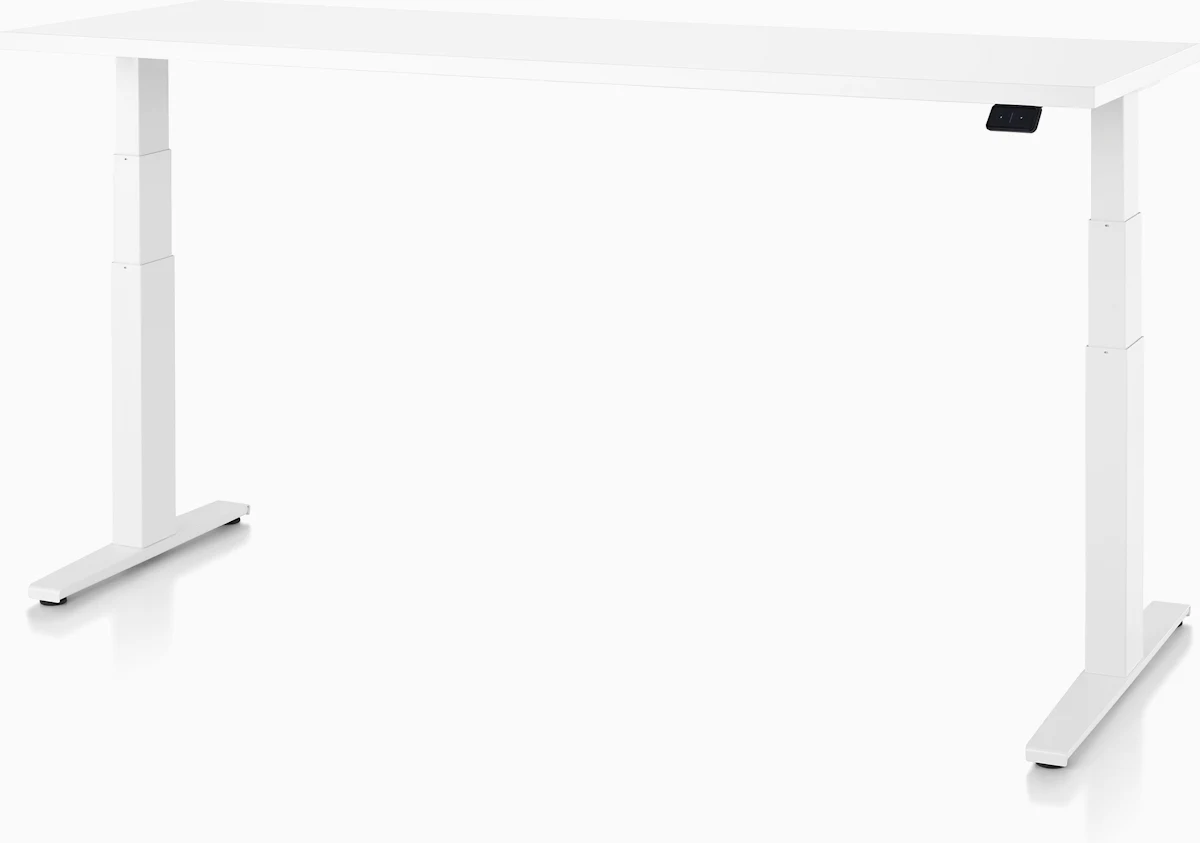 Herman Miller Motia Sit-to-Stand Desk Best build quality 7.8 DEAS
Clinical performance8.0
I.1Neutral posture support8.4
I.2Adjustability range7.8
I.3Injury risk reduction8.0
I.4Population accommodation7.4
I.5Height range and stability8.2
Product quality8.9
II.1Material & construction9.2
II.2Published certification8.5
II.3Warranty vs benchmark9.0
Market value1.5
III.1Price vs category benchmark1.0
III.2Ergonomic value ratio2.0
4  Desky Dual Laminate Standing Desk Strong all-rounder 7.7 DEAS
Clinical performance8.0
I.1Neutral posture support8.3
I.2Adjustability range8.0
I.3Injury risk reduction8.0
I.4Population accommodation7.5
I.5Height range and stability8.3
Product quality7.7
II.1Material & construction8.2
II.2Published certification6.0
II.3Warranty vs benchmark8.0
II.4Verified user reliability8.5
Market value4.7
III.1Price vs category benchmark4.5
III.2Ergonomic value ratio4.8
5 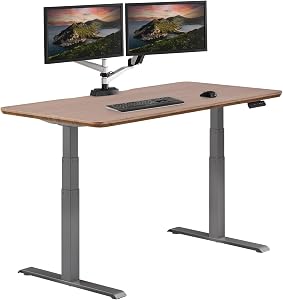 Vari Electric Standing Desk Quickest to set up 7.3 DEAS
Clinical performance8.4
I.1Neutral posture support8.6
I.2Adjustability range8.4
I.3Injury risk reduction8.4
I.4Population accommodation7.6
I.5Height range and stability8.8
Product quality7.5
II.1Material & construction8.2
II.2Published certification7.0
II.3Warranty vs benchmark7.0
II.4Verified user reliability8.0
Market value3.2
III.1Price vs category benchmark3.0
III.2Ergonomic value ratio3.5
6  Vernal Core3 Standing Desk Best mid-price desk 7.1 DEAS
Clinical performance7.5
I.1Neutral posture support7.9
I.2Adjustability range7.5
I.3Injury risk reduction7.5
I.4Population accommodation6.9
I.5Height range and stability7.8
Product quality6.9
II.1Material & construction7.2
II.2Published certification5.5
II.3Warranty vs benchmark7.0
II.4Verified user reliability8.0
Market value5.7
III.1Price vs category benchmark5.5
III.2Ergonomic value ratio5.8
7  Branch Duo Standing Desk Best for small spaces 7.0 DEAS
Clinical performance7.4
I.1Neutral posture support7.8
I.2Adjustability range7.4
I.3Injury risk reduction7.4
I.4Population accommodation6.9
I.5Height range and stability7.3
Product quality7.1
II.1Material & construction7.0
II.2Published certification5.5
II.3Warranty vs benchmark8.0
II.4Verified user reliability8.0
Market value4.4
III.1Price vs category benchmark4.2
III.2Ergonomic value ratio4.6
Show all 29
8  Vari Essential Standing Desk 6.9 DEAS
Clinical performance7.2
I.1Neutral posture support7.4
I.2Adjustability range7.3
I.3Injury risk reduction7.0
I.4Population accommodation6.9
I.5Height range and stability7.3
Product quality6.8
II.1Material & construction6.5
II.2Published certification5.5
II.3Warranty vs benchmark7.0
II.4Verified user reliability8.0
Market value6.2
III.1Price vs category benchmark6.2
III.2Ergonomic value ratio6.2
9 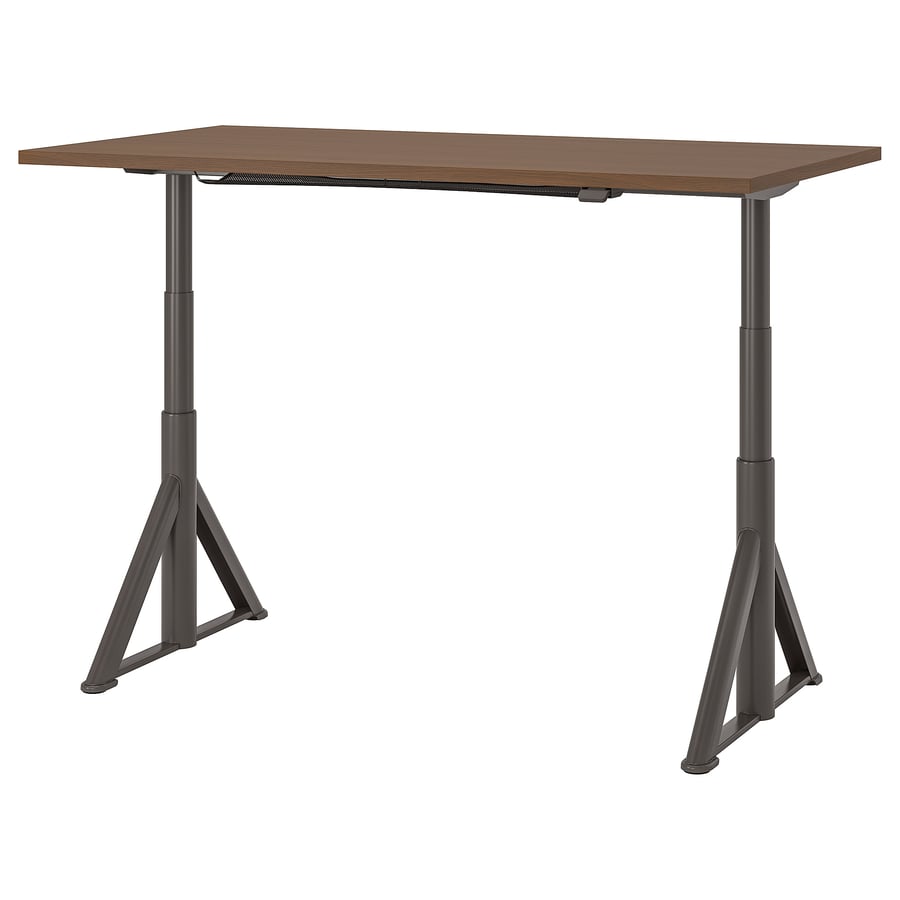 IKEA IDÅSEN Standing Desk 6.8 DEAS
Clinical performance7.3
I.1Neutral posture support7.7
I.2Adjustability range7.4
I.3Injury risk reduction7.4
I.4Population accommodation6.5
I.5Height range and stability7.4
Product quality6.9
II.1Material & construction7.2
II.2Published certification5.5
II.3Warranty vs benchmark8.0
II.4Verified user reliability7.0
Market value4.0
III.1Price vs category benchmark3.5
III.2Ergonomic value ratio4.5
10  WorkPro Electric Standing Desk 6.8 DEAS
Clinical performance7.3
I.1Neutral posture support7.4
I.2Adjustability range7.4
I.3Injury risk reduction7.4
I.4Population accommodation6.9
I.5Height range and stability7.4
Product quality6.8
II.1Material & construction7.0
II.2Published certification5.5
II.3Warranty vs benchmark7.0
II.4Verified user reliability7.5
Market value4.2
III.1Price vs category benchmark4.0
III.2Ergonomic value ratio4.5
11 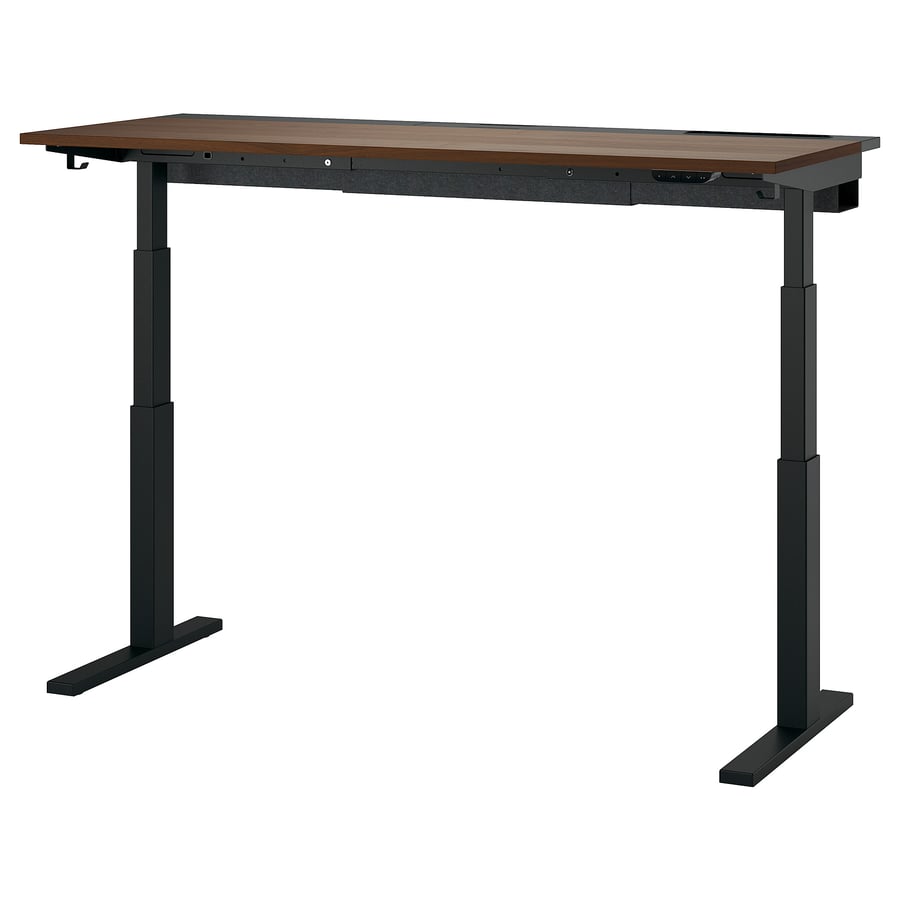 IKEA MITTZON Standing Desk 6.7 DEAS
Clinical performance6.9
I.1Neutral posture support7.3
I.2Adjustability range7.0
I.3Injury risk reduction7.0
I.4Population accommodation6.4
I.5Height range and stability7.0
Product quality6.8
II.1Material & construction6.7
II.2Published certification5.5
II.3Warranty vs benchmark8.0
II.4Verified user reliability7.0
Market value5.2
III.1Price vs category benchmark5.0
III.2Ergonomic value ratio5.5
12  Vernal Executive Standing Desk 6.7 DEAS
Clinical performance7.3
I.1Neutral posture support7.6
I.2Adjustability range7.3
I.3Injury risk reduction7.3
I.4Population accommodation6.9
I.5Height range and stability7.6
Product quality6.6
II.1Material & construction7.4
II.2Published certification5.5
II.3Warranty vs benchmark7.0
II.4Verified user reliability6.5
Market value2.4
III.1Price vs category benchmark2.0
III.2Ergonomic value ratio2.8
13  FlexiSpot E2 Standing Desk 6.7 DEAS
Clinical performance6.3
I.1Neutral posture support6.6
I.2Adjustability range6.5
I.3Injury risk reduction6.2
I.4Population accommodation6.0
I.5Height range and stability6.2
Product quality6.7
II.1Material & construction6.2
II.2Published certification5.5
II.3Warranty vs benchmark7.0
II.4Verified user reliability8.0
Market value8.0
III.1Price vs category benchmark8.5
III.2Ergonomic value ratio7.5
14  FlexiSpot E8 Standing Desk 6.6 DEAS
Clinical performance6.5
I.1Neutral posture support6.9
I.2Adjustability range6.6
I.3Injury risk reduction6.4
I.4Population accommodation6.4
I.5Height range and stability6.4
Product quality6.6
II.1Material & construction6.3
II.2Published certification5.5
II.3Warranty vs benchmark7.0
II.4Verified user reliability7.5
Market value6.8
III.1Price vs category benchmark7.0
III.2Ergonomic value ratio6.5
15  Realspace Magellan Pneumatic Desk 6.5 DEAS
Clinical performance6.4
I.1Neutral posture support6.8
I.2Adjustability range6.4
I.3Injury risk reduction6.4
I.4Population accommodation6.4
I.5Height range and stability6.0
Product quality6.8
II.1Material & construction6.5
II.2Published certification5.5
II.3Warranty vs benchmark7.5
II.4Verified user reliability7.5
Market value5.5
III.1Price vs category benchmark5.5
III.2Ergonomic value ratio5.5
16  Staples Electric Standing Desk 6.5 DEAS
Clinical performance6.3
I.1Neutral posture support6.5
I.2Adjustability range6.5
I.3Injury risk reduction6.2
I.4Population accommodation6.0
I.5Height range and stability6.2
Product quality6.2
II.1Material & construction6.1
II.2Published certification5.5
II.3Warranty vs benchmark6.0
II.4Verified user reliability7.0
Market value8.0
III.1Price vs category benchmark8.5
III.2Ergonomic value ratio7.5
17  Eureka Wing Shape Desk 6.4 DEAS
Clinical performance6.3
I.1Neutral posture support6.8
I.2Adjustability range6.4
I.3Injury risk reduction6.4
I.4Population accommodation6.0
I.5Height range and stability6.0
Product quality6.0
II.1Material & construction6.4
II.2Published certification5.5
II.3Warranty vs benchmark6.0
II.4Verified user reliability6.0
Market value4.5
III.1Price vs category benchmark4.5
III.2Ergonomic value ratio4.5
18 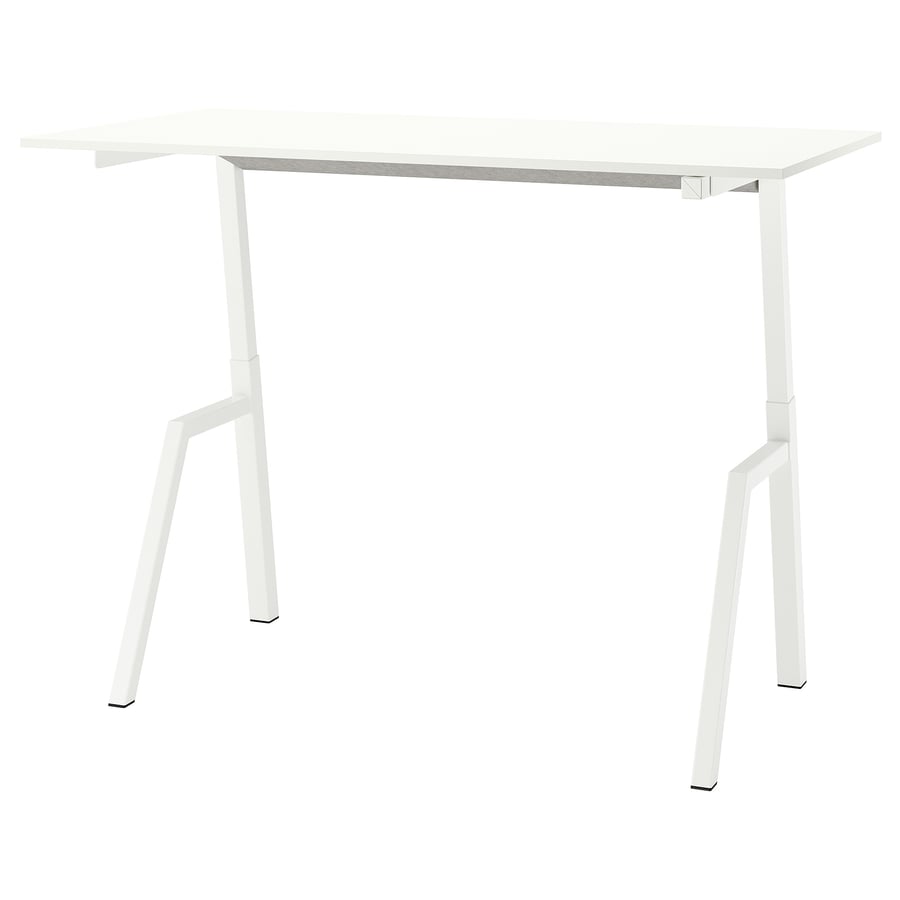 IKEA TROTTEN Manual Desk 6.3 DEAS
Clinical performance6.0
I.1Neutral posture support6.4
I.2Adjustability range6.0
I.3Injury risk reduction6.0
I.4Population accommodation6.0
I.5Height range and stability5.6
Product quality6.8
II.1Material & construction6.4
II.2Published certification5.5
II.3Warranty vs benchmark8.0
II.4Verified user reliability7.5
Market value6.5
III.1Price vs category benchmark6.5
III.2Ergonomic value ratio6.5
19  Vivo Electric Standing Desk 6.3 DEAS
Clinical performance6.2
I.1Neutral posture support6.4
I.2Adjustability range6.4
I.3Injury risk reduction6.0
I.4Population accommodation6.0
I.5Height range and stability6.0
Product quality6.0
II.1Material & construction6.0
II.2Published certification5.5
II.3Warranty vs benchmark6.0
II.4Verified user reliability6.5
Market value6.2
III.1Price vs category benchmark6.5
III.2Ergonomic value ratio6.0
20  Eureka Ark Lite Standing Desk 6.2 DEAS
Clinical performance6.5
I.1Neutral posture support6.8
I.2Adjustability range6.4
I.3Injury risk reduction6.4
I.4Population accommodation6.4
I.5Height range and stability6.4
Product quality6.2
II.1Material & construction6.2
II.2Published certification5.5
II.3Warranty vs benchmark7.0
Market value4.0
III.1Price vs category benchmark4.0
III.2Ergonomic value ratio4.0
21  Inbox Zero Standing Desk 6.2 DEAS
Clinical performance6.5
I.1Neutral posture support6.8
I.2Adjustability range6.4
I.3Injury risk reduction6.4
I.4Population accommodation6.4
I.5Height range and stability6.4
Product quality5.4
II.1Material & construction6.2
II.2Published certification5.5
II.3Warranty vs benchmark4.0
II.4Verified user reliability6.0
Market value4.5
III.1Price vs category benchmark4.5
III.2Ergonomic value ratio4.5
22  Eureka Executive Standing Desk 6.1 DEAS
Clinical performance6.7
I.1Neutral posture support7.2
I.2Adjustability range7.0
I.3Injury risk reduction7.0
I.4Population accommodation6.5
I.5Height range and stability6.0
Product quality6.6
II.1Material & construction7.2
II.2Published certification5.5
II.3Warranty vs benchmark7.0
Market value1.2
III.1Price vs category benchmark1.0
III.2Ergonomic value ratio1.5
23 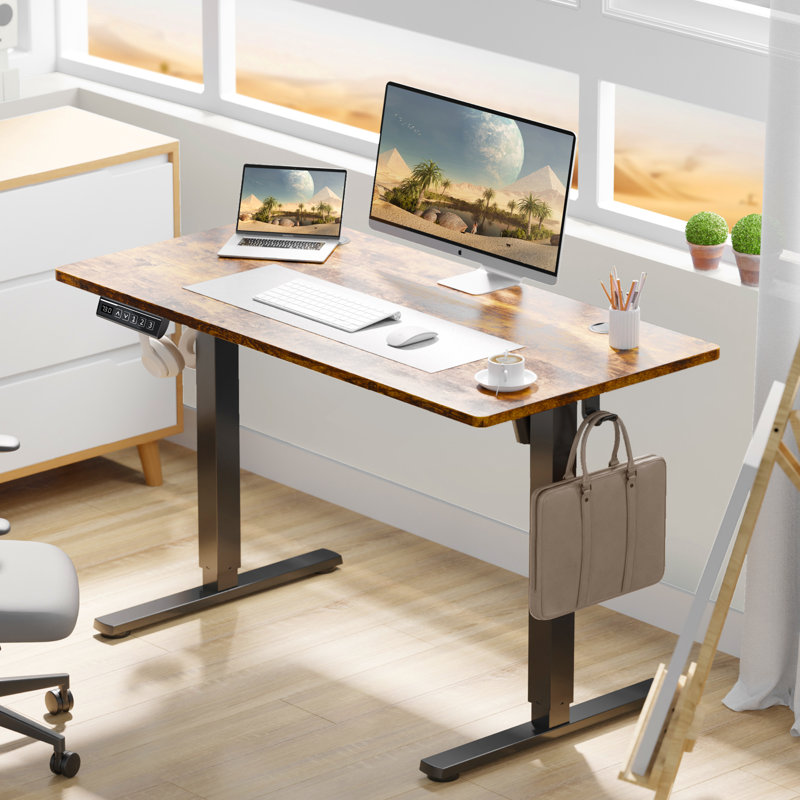 Inbox Zero Koree Standing Desk 6.0 DEAS
Clinical performance5.6
I.1Neutral posture support5.6
I.2Adjustability range5.6
I.3Injury risk reduction5.6
I.4Population accommodation5.6
I.5Height range and stability5.6
Product quality5.5
II.1Material & construction5.6
II.2Published certification5.5
II.3Warranty vs benchmark4.0
II.4Verified user reliability7.0
Market value8.5
III.1Price vs category benchmark9.0
III.2Ergonomic value ratio8.0
24 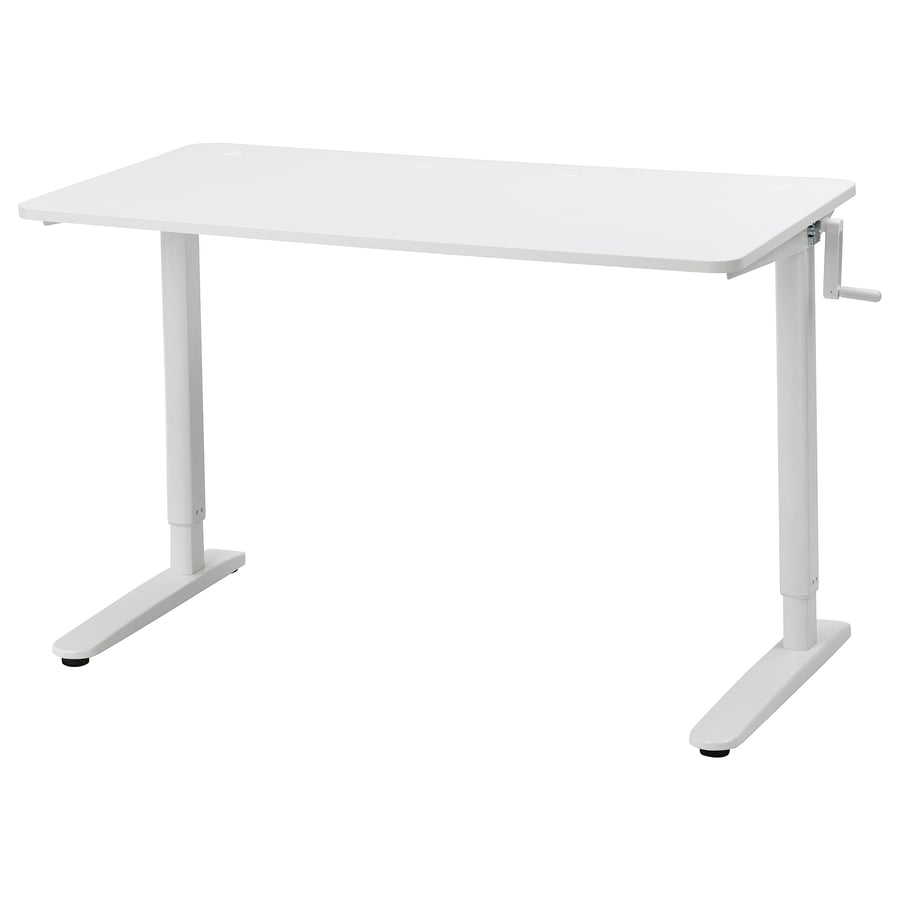 IKEA RELATERA Standing Desk 6.0 DEAS
Clinical performance5.4
I.1Neutral posture support5.9
I.2Adjustability range5.4
I.3Injury risk reduction5.4
I.4Population accommodation5.4
I.5Height range and stability5.0
Product quality6.5
II.1Material & construction6.0
II.2Published certification5.5
II.3Warranty vs benchmark8.0
Market value7.5
III.1Price vs category benchmark8.0
III.2Ergonomic value ratio7.0
25  HULALA Home Standing Desk 5.9 DEAS
Clinical performance6.0
I.1Neutral posture support6.5
I.2Adjustability range6.0
I.3Injury risk reduction6.0
I.4Population accommodation6.0
I.5Height range and stability5.5
Product quality5.3
II.1Material & construction6.5
II.2Published certification5.5
II.3Warranty vs benchmark4.0
Market value1.8
III.1Price vs category benchmark1.5
III.2Ergonomic value ratio2.0
26 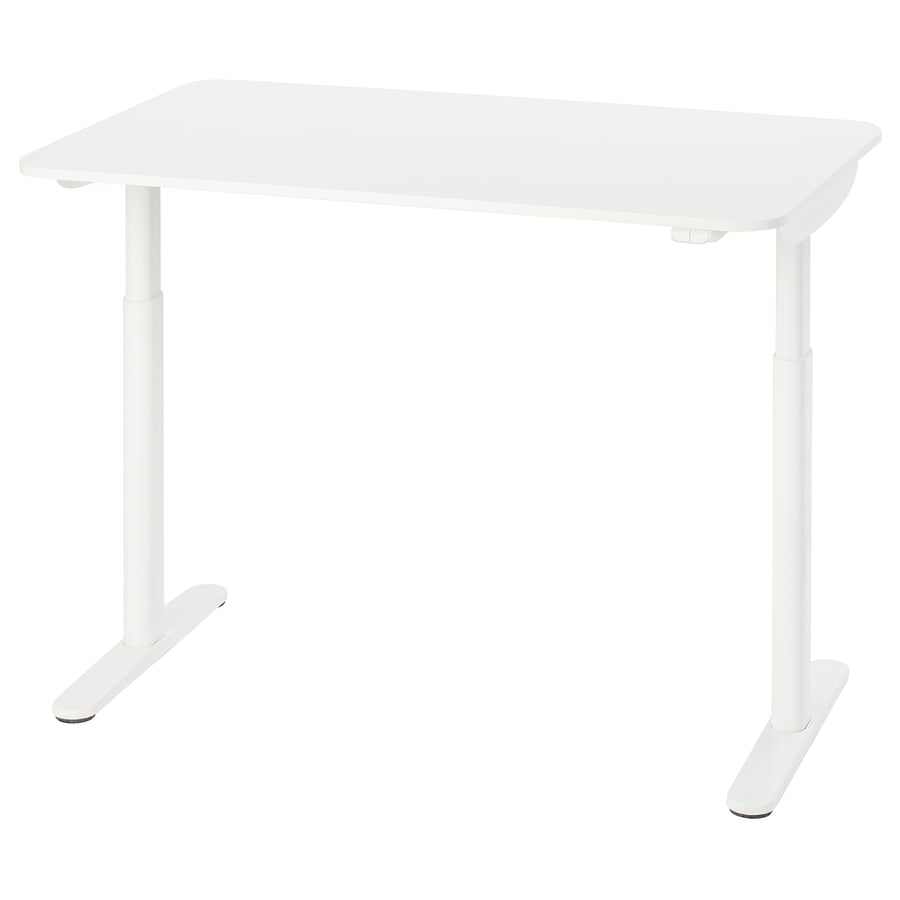 IKEA BOLLSIDAN Standing Desk 5.8 DEAS
Clinical performance5.6
I.1Neutral posture support6.0
I.2Adjustability range5.5
I.3Injury risk reduction5.5
I.4Population accommodation5.5
I.5Height range and stability5.5
Product quality6.3
II.1Material & construction5.5
II.2Published certification5.5
II.3Warranty vs benchmark8.0
Market value5.8
III.1Price vs category benchmark6.0
III.2Ergonomic value ratio5.5
27  Bestier 58 Standing Desk 5.7 DEAS
Clinical performance5.6
I.1Neutral posture support6.0
I.2Adjustability range5.5
I.3Injury risk reduction5.5
I.4Population accommodation5.5
I.5Height range and stability5.5
Product quality4.8
II.1Material & construction5.0
II.2Published certification5.5
II.3Warranty vs benchmark4.0
Market value6.8
III.1Price vs category benchmark7.0
III.2Ergonomic value ratio6.5
28  HULALA Rotating Desk 5.5 DEAS
Clinical performance5.2
I.1Neutral posture support5.5
I.2Adjustability range5.5
I.3Injury risk reduction5.0
I.4Population accommodation5.5
I.5Height range and stability4.5
Product quality5.2
II.1Material & construction6.0
II.2Published certification5.5
II.3Warranty vs benchmark4.0
Market value1.2
III.1Price vs category benchmark1.0
III.2Ergonomic value ratio1.5
29  Bestier L Shaped Standing Desk 5.4 DEAS
Clinical performance5.3
I.1Neutral posture support5.5
I.2Adjustability range5.5
I.3Injury risk reduction5.0
I.4Population accommodation5.5
I.5Height range and stability5.0
Product quality4.8
II.1Material & construction5.0
II.2Published certification5.5
II.3Warranty vs benchmark4.0
Market value5.8
III.1Price vs category benchmark6.0
III.2Ergonomic value ratio5.5
The full reviews are in the standing desk guide.
How to set up a standing desk for focused work
- 1
Set your sitting height first. Upper arms at your sides, elbows bent 90 to 120 degrees, forearms level with the desk, feet flat.7
- 2
Set your standing height separately. The same elbow angle when you're up. Save both as presets so switching never breaks your flow.
- 3
Raise the screen. Top edge level with your eyes in both positions; a monitor arm moves it with you.
- 4
Put a mat where you stand. So standing stays comfortable and you don't cut it short.
- 5
Set a timer. About 30 minutes sitting to 15 standing.5
- 6
Do precise work seated at first. Until standing feels automatic.
- 7
Take a short walk every hour or two. Moving, not just standing, is what breaks up a long, still day.
The point of the setup
Set it up so changing position is effortless. The comfort and energy benefits, the real productivity lever, follow from alternating, not from standing longer.
Desk discomfort that quietly drains focus
The afternoon slump
Feels like
Focus and motivation drop off mid-afternoon after hours of still sitting.
What helps
A standing stretch, a short walk, and alternating on a timer.
Neck and shoulder tension
Feels like
A creeping tightness across the shoulders and the base of the neck that makes it hard to concentrate.
What helps
The screen at eye height in both positions, and regular position changes.
Presenteeism
Feels like
At your desk but foggy, because discomfort and fatigue have taken over.
What helps
Alternate on a schedule and make standing comfortable.
When to get it checked
Pain that is severe or persistent, or that comes with numbness or weakness, needs a clinician. A standing desk is not a treatment.
Common questions
Do standing desks make you more productive?
Not in the sense of producing more per hour: studies find output stays about the same sitting or standing.1,2 Where standing helps is indirect: small studies report better self-rated performance, concentration, mood and energy.4,5,6 Over a week, feeling better and losing less time to discomfort is what reads as more productive.
Do standing desks hurt your concentration or work performance?
The evidence says no. A review found sit-stand desks reduce discomfort without lowering productivity,1 a scoping review found almost no significant changes in work performance,2 and the Cochrane review found no meaningful change in self-rated performance.3 In one small trial, concentration scores improved within the group on a fixed schedule.5
Does standing improve focus and energy?
For many people, yes, at least in how they feel. Studies report better mood, vigor and concentration when people alternate.4,5,6 They're self-reports from small studies, so treat them as promising, but they match what most people notice: breaking up long sitting helps the afternoon slump.
What's the best way to use a standing desk for productivity?
Alternate on a schedule rather than standing for long stretches. In a 2025 trial, people on a fixed rhythm of 30 minutes sitting to 15 standing reported better concentration and less presenteeism over three months, though there was no group without a desk.5 Do your most precise work seated at first, and use standing to break up the long stretches.
Will a standing desk slow down my typing?
Not in any lasting way the research has found: reviews find no drop in productivity.1,2 If precise typing or mousing feels awkward standing at first, do that work seated until it doesn't.
Which standing desk is best for staying productive, and how many did you score?
The one you'll keep adjusting: quick, quiet and steady, so switching never interrupts your work. Of the 29 we've scored, the FlexiSpot E7 (DEAS 8.3) is the one I put most people at, and the FlexiSpot E7 Plus (8.4) suits tall people. The full ranking is in the standing desk guide.
References
- Karakolis T, Callaghan JP. The impact of sit-stand office workstations on worker discomfort and productivity: a review. Appl Ergon. 2014;45(3):799–806. PMID: 24157240. doi:10.1016/j.apergo.2013.10.001
- Chambers AJ, Robertson MM, Baker NA. The effect of sit-stand desks on office worker behavioral and health outcomes: a scoping review. Appl Ergon. 2019;78:37–53. PMID: 31046958. doi:10.1016/j.apergo.2019.01.015
- Shrestha N, Kukkonen-Harjula KT, Verbeek JH, Ijaz S, Hermans V, Pedisic Z. Workplace interventions for reducing sitting at work. Cochrane Database Syst Rev. 2018;12:CD010912. doi:10.1002/14651858.CD010912.pub5
- Ma J, Ma D, Li Z, Kim H. Effects of a workplace sit-stand desk intervention on health and productivity. Int J Environ Res Public Health. 2021;18(21):11604. PMID: 34770116. doi:10.3390/ijerph182111604
- Brakenridge CL, Johnston V, Andrews NE, Gomersall SR, Russell T, Smith MD. Do fixed or personalised sit-stand desk ratios improve lower back pain? A randomised trial. Appl Ergon. 2026;131:104670 (online 2025). PMID: 41124790. doi:10.1016/j.apergo.2025.104670
- Pronk NP, Katz AS, Lowry M, Payfer JR. Reducing occupational sitting time and improving worker health: the Take-a-Stand Project, 2011. Prev Chronic Dis. 2012;9:110323. doi:10.5888/pcd9.110323
- OSHA. Computer Workstations eTool: neutral working postures. osha.gov
This article is general education, not medical advice. A standing desk is not a treatment for any medical condition; persistent or severe pain needs a licensed clinician.
AJ Prince, HEAS
Healthcare Ergonomic Assessment Specialist. Conducts over a thousand workstation assessments a year across a multi-campus health system, and authored the DEAS standard used to rank every product on this site.
