
Work recovery guide
Ice, heat, massage and support protocols for each area desk work strains, matched to how long it’s been hurting. Pick your area.
By AJ Prince, HEAS · Updated November 2026 · Free
Medical disclaimer
General information only, not medical advice. Check with your physician or physical therapist before starting a pain routine. Severe, persistent or worsening pain needs prompt medical attention.
The basics: ice, heat & timing
Ice0–72 hrs or acute flare-ups
- Reduces swelling
- Numbs acute pain
- 15–20 min on, 45–60 min off, repeat as needed
HeatChronic stiffness
- Increases blood flow
- Relaxes tight muscles
- 15–20 min, then let skin return to normal temperature
Which phase are you in?
Safety
- Stop at once if numbness, more pain or skin irritation occurs
- No heat on swollen areas or fresh injuries
- Limit electronic massage to 15–20 minutes
- Take braces off periodically for normal movement and circulation
Red flags — seek medical attention
- Severe pain that doesn’t ease with rest and basic care
- Numbness or tingling that persists or worsens
- Loss of strength or function
- Pain with fever
- Symptoms worsening over 24–48 hours
Headaches & migraines
Equipment: Head wrap (ice/heat) · neck/shoulder heat pad · massage ball · ergonomic pillow
Treat the cause, not just the symptom
Screen glare, brightness and monitor height are common desk triggers. The free assessment checks all three. Take the free assessment →
Ice Migraines and acute headachesRanked picks →
- Cold on the forehead, temples or base of the skull
- 15–20 min on, 30–45 min off, repeat as needed
- Use in a dark, quiet room when possible
Heat Tension headachesRanked picks →
- Heat on the neck and upper shoulders to relax tight muscles
- 15–20 minutes
- Can alternate with cold on the forehead or temples
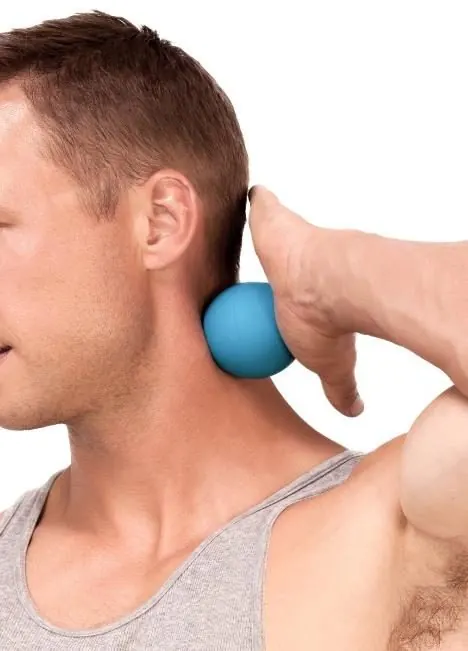
Massage ball Base of the skullRanked picks →
- Ball against a wall at the suboccipital muscles
- Gentle pressure 30–60 sec, roll slowly
Manual technique Fingertips and thumbs
- Gentle circles at the temples
- Thumb pressure at the base of the skull
- Quiet room, 5–10 minutes maximum
- Electronic massage: generally not recommended — vibration can worsen headaches
Ergonomic pillow Sleep positionRanked picks →
- Cervical support pillow keeps the natural neck curve during sleep
- Side sleeping: the pillow fills the gap between neck and mattress
- Back sleeping: it supports the neck curve without pushing the head forward
- Replace every 12–18 months or when it loses shape
Neck pain
Equipment: Electronic massager · massage ball · neck/shoulder ice and heat pads · ergonomic pillow
Treat the cause, not just the symptom
Neck pain at a desk most often tracks with monitor height and a forward head. The assessment flags both. Take the free assessment →
Ice Acute pain or injuryRanked picks →
- 15–20 min every hour while awake for the first 48–72 hours
- Chronic flare-ups: 15–20 min after aggravating activity
- Cover the most painful area and surrounding muscles
Heat Chronic stiffnessRanked picks →
- 15–20 min before stretching or massage
- Morning stiffness: heat on waking
- Focus on the neck and upper shoulders
Electronic massager Chronic stiffnessRanked picks →
- Heat 15–20 min first
- Massage 15 min on the lowest setting
- Upper trapezius only — avoid the spine itself
- Ice afterward if soreness develops
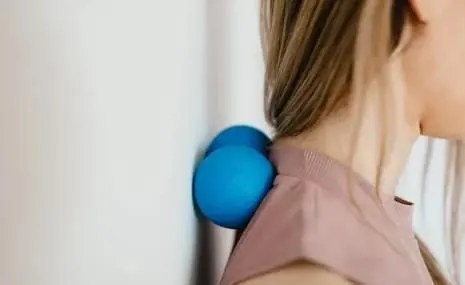
Massage ball Subacute or chronicRanked picks →
- Ball against a wall on upper-trap trigger points
- Gentle pressure 30–60 sec per point
- Roll slowly along the neck–shoulder junction
- 2–3 times daily, 10–15 minutes
Ergonomic pillow Sleep positionRanked picks →
- Cervical support pillow keeps the natural neck curve during sleep
- Side sleeping: the pillow fills the gap between neck and mattress
- Back sleeping: it supports the neck curve without pushing the head forward
- Replace every 12–18 months or when it loses shape
Shoulder pain
Equipment: Electronic massager · massage ball · ice and heat pads · posture brace
Treat the cause, not just the symptom
Shoulder tension often follows a keyboard or mouse set too high or too far away. The assessment measures your reach. Take the free assessment →
Ice Acute injuryRanked picks →
- 15–20 min every 2–3 hours for the first 48–72 hours
- After aggravating activity: 15–20 minutes
Heat Chronic tensionRanked picks →
- 15–20 min before massage or stretching
- Morning stiffness: heat on waking
Electronic massager Chronic tensionRanked picks →
- Not in the first 48–72 hours after an injury
- Heat 15 min, then massage 15 min on medium
- Upper trapezius and back of the shoulder
- 1–2 times daily maximum
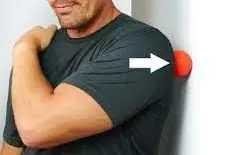
Massage ball Against a wallRanked picks →
- Target upper-trap trigger points
- Sustained pressure 60–90 sec per point
- Roll along the shoulder blade edges
- Up to 3–4 times daily, 10 minutes
Posture brace Gentle reminderRanked picks →
- Start with 2–3 hours a day; build to a 6–8 hour daily maximum
- Take it off for 30 minutes every 2–3 hours so your muscles keep working
- Straps should remind, not restrict breathing
- Wear it for posture-heavy tasks: computer work, driving
- Pair with strengthening — the brace is support, not a substitute
- Stop if you notice skin irritation, more pain or breathing difficulty
- Taper off as awareness and strength improve
Elbow pain (tennis / golfer’s)
Equipment: Elbow brace · ice and heat wrap · massage ball · ice massage ball
Treat the cause, not just the symptom
Elbow pain at a desk often tracks with mouse grip and forearm rotation. The assessment matches you to a mouse style. Take the free assessment →
Ice Acute flare-upsRanked picks →
- 15–20 min every 2–3 hours
- After aggravating activity: ice right away, 15–20 min
- Outer elbow (tennis) or inner elbow (golfer’s)
Heat Before stretchingRanked picks →
- 10–15 min to prepare tissues
- Chronic stiffness: 15–20 min before activity
- Heat the forearm muscles, not an inflamed tendon
Ice massage Acute phaseRanked picks →
- Ice massage ball on elbow and forearm muscles
- Circular strokes, 5–10 minutes
- Focus on forearm trigger points
- 2–3 times daily
Brace During aggravating tasksRanked picks →
- Tennis elbow: strap 1–2 inches below the joint
- Take it off 2–3 hours daily to keep muscles strong
- Support without cutting off circulation
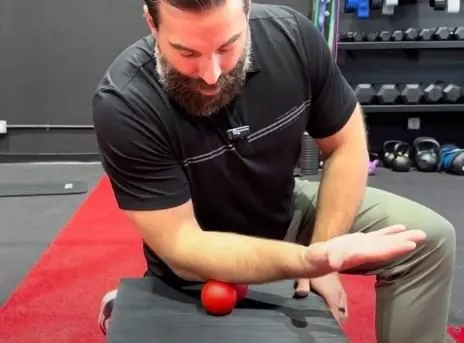
Massage ball ForearmRanked picks →
- Roll the forearm gently; avoid the elbow joint
- 30–60 sec on each tight spot
- Electronic massage: generally not recommended — vibration may irritate tendons
Wrist & hand pain
Equipment: Wrist brace · ice and heat wrap · massage ball · ice massage ball
Treat the cause, not just the symptom
Wrist and hand symptoms often track with keyboard angle and mouse fit. The assessment filters both to your hand size. Take the free assessment →
Ice Acute pain or swellingRanked picks →
- 15–20 min every 2–3 hours
- After repetitive work: ice right away, 15–20 min
- Most painful areas of wrist and forearm
Heat Before stretchingRanked picks →
- 10–15 min to prepare tissues
- Morning stiffness: heat on waking
- Warm soaks or heat packs on forearms and hands
Ice massage Flare-upsRanked picks →
- Ice massage ball along forearm flexors and extensors
- 5–8 minutes, 2–3 times daily
- Focus on trigger points that refer to the wrist
Brace Finger, thumb or wristRanked picks →
- Acute symptoms: wear during sleep and computer work
- Keep the wrist neutral in the brace
- Remove every 2–3 hours for gentle movement
- Replace when loose or worn
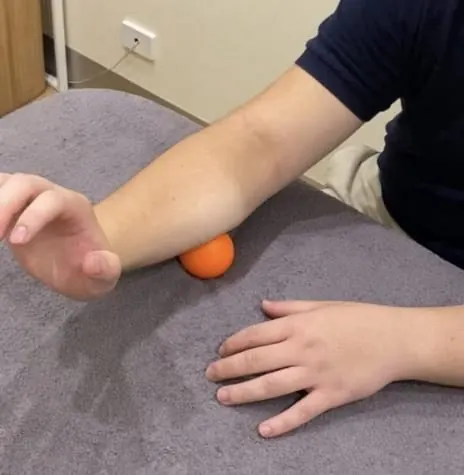
Massage ball Palm and forearmRanked picks →
- Roll under palm and fingers, light pressure
- Thumb-side and pinky-side palm muscles
- Forearm muscles — not the wrist joint
- Finger massage: gentle circles on each joint
Posture brace Numbness in your hands while workingRanked picks →
- Start with 2–3 hours a day; build to a 6–8 hour daily maximum
- Take it off for 30 minutes every 2–3 hours so your muscles keep working
- Straps should remind, not restrict breathing
- Wear it for posture-heavy tasks: computer work, driving
- Pair with strengthening — the brace is support, not a substitute
- Stop if you notice skin irritation, more pain or breathing difficulty
- Taper off as awareness and strength improve
Ergonomic pillow Waking with numbness or tingling in a handRanked picks →
- Cervical support pillow keeps the natural neck curve during sleep
- Side sleeping: the pillow fills the gap between neck and mattress
- Back sleeping: it supports the neck curve without pushing the head forward
- Replace every 12–18 months or when it loses shape
Upper & mid back pain
Equipment: Electronic massager · massage ball · massage stick · ice and heat pack · posture brace
Treat the cause, not just the symptom
Upper back fatigue often follows a chair without support or a screen that pulls you forward. The assessment checks both. Take the free assessment →
Ice Acute muscle spasmRanked picks →
- 15–20 min every 2–3 hours
- After aggravating activity: 15–20 minutes
Heat Chronic tensionRanked picks →
- 15–20 min before massage or stretching
- Morning stiffness: heat on waking
Electronic massager Chronic tensionRanked picks →
- During a muscle spasm, use ice instead
- Heat 15–20 min, then massage
- Between the shoulder blades and along the upper back
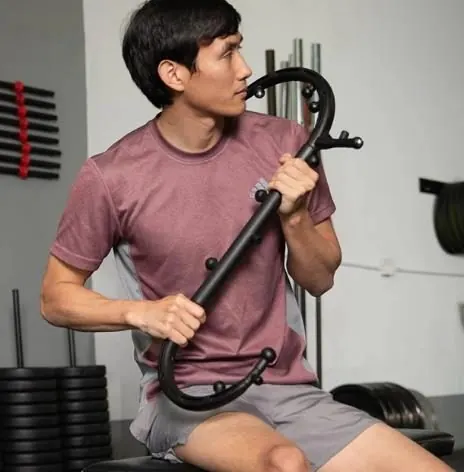
Massage ball & stick Trigger pointsRanked picks →
- Ball between back and wall; hold 60–90 sec, then roll
- Stick: reach overhead for upper traps and rhomboids
- Long strokes along the muscle
- 2–3 times daily, 15 minutes
Posture brace Gentle reminderRanked picks →
- Start with 2–3 hours a day; build to a 6–8 hour daily maximum
- Take it off for 30 minutes every 2–3 hours so your muscles keep working
- Straps should remind, not restrict breathing
- Wear it for posture-heavy tasks: computer work, driving
- Pair with strengthening — the brace is support, not a substitute
- Stop if you notice skin irritation, more pain or breathing difficulty
- Taper off as awareness and strength improve
Low back pain
Equipment: Lumbar support · electronic massager · massage ball · ice and heat pack · posture brace
Treat the cause, not just the symptom
Low back load depends on lumbar support and recline. The assessment checks your chair. Take the free assessment →
Ice Acute pain or spasmRanked picks →
- 15–20 min every 2–3 hours for the first 48–72 hours
- After aggravating activity: 15–20 minutes
Heat Chronic stiffnessRanked picks →
- 15–20 min before activity or massage
- Morning stiffness: heat on waking
Electronic massager Never on acute spasmsRanked picks →
- Ice only for the first 48–72 hours
- Then heat 15–20 min before massage
- Massager on the lumbar muscles, not the spine
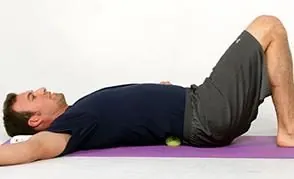
Massage ball On the floorRanked picks →
- Lie with the ball under low back muscles
- Body weight controls pressure — start light
- Roll slowly; pause 30–60 sec on tender spots
Lumbar support Prolonged sittingRanked picks →
- Use during long sitting stretches
- Remove every 2–3 hours for movement breaks
- Sits in your natural lumbar curve
Posture brace Gentle reminderRanked picks →
- Start with 2–3 hours a day; build to a 6–8 hour daily maximum
- Take it off for 30 minutes every 2–3 hours so your muscles keep working
- Pair with strengthening — the brace is support, not a substitute
- Stop if you notice skin irritation, more pain or breathing difficulty
Hip pain
Equipment: Hip ice and heat pack · massage ball
Treat the cause, not just the symptom
Hip tightness tracks with seat height and how long you sit. The assessment sets your seat height and movement plan. Take the free assessment →
Ice Acute hip flexor painRanked picks →
- 15–20 min after aggravating activity
- After exercise: ice right away, 15–20 min
- Front of hip (flexors) or side and back (glutes)
Heat Chronic stiffnessRanked picks →
- 15–20 min before stretching or activity
- Morning stiffness: heat on waking
Massage ball Glutes, TFL and hip flexorsRanked picks →
- Lie on your side, ball under the hip muscles
- Body weight controls pressure — start light
- Hold trigger points 60–90 seconds
- Standing option: ball against a wall
- Pair with gentle hip stretches when tolerated
- Electronic massage: generally not recommended — the hip is hard to reach with one
Recovery tools manage symptoms. Your setup prevents the next flare.
The free assessment finds what in your chair, desk, screens and input devices is driving the pain.
Prefer paper? Download the printable PDF.